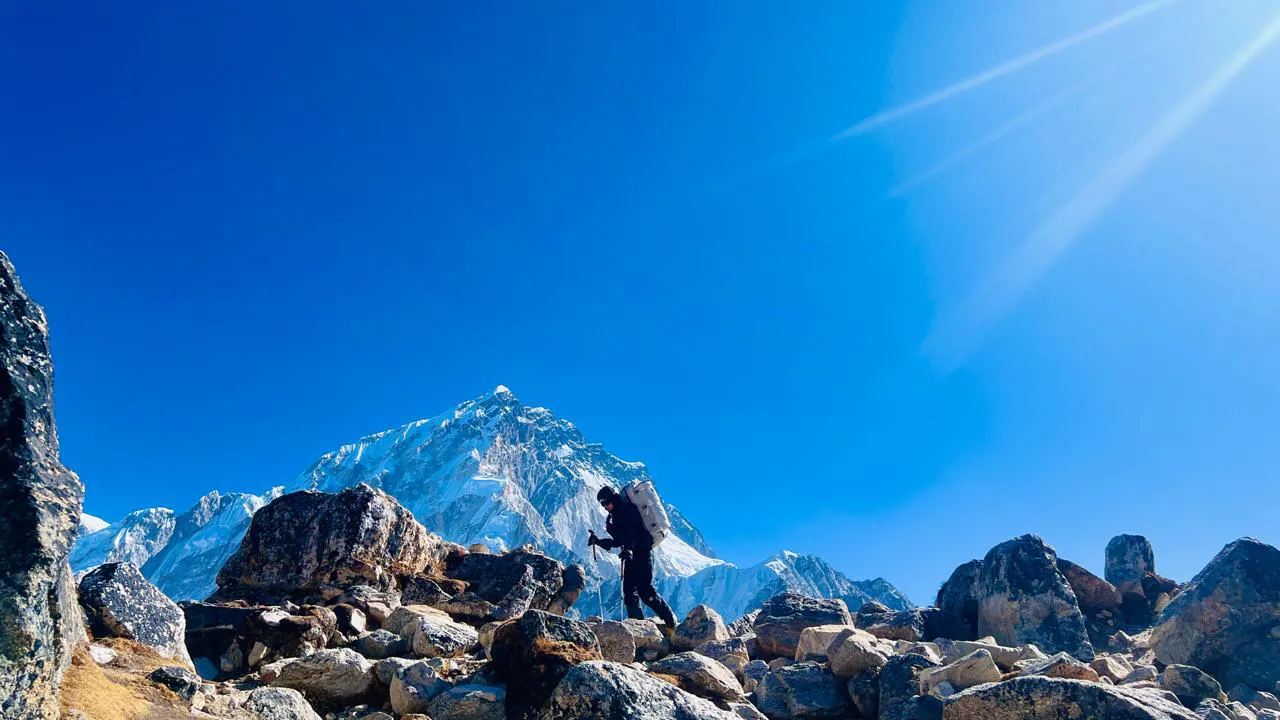
This blog will provide you a detailed information on all seasons. Additionally, this blog helps you know how the trek to Everest Base Camp is affected by the different seasons of the year, namely spring, summer, fall, and winter. You will also get to know the pros and cons of walking at different times of the year to help you plan your trip.
Being aware of the changes throughout the year will enable you to pick the best time to visit Everest Base Camp, whether you are looking for blue skies, fewer people, or vibrant nature.
Understanding Nepal’s Trekking Seasons
Nepal has four ideal trekking seasons, and each adventure season is unique in terms of weather conditions and packed with new experiences. A nice understanding of these seasons is useful for trekkers to find the best seasonal time for the trip.
At the beginning of the warmer season of spring (March to May), rhododendrons begin to bloom. Trails during this time are not very crowded, but the haze and showers are expected to increase throughout the season.
The period of the summer or monsoon (June to August) is characterized by heavy rainfall, high temperature, and high humidity. The trekking routes are challenging due to rainfall which makes them slippery.
Autumn (September to November) is the high trekking season. This is the best of the four seasons due to stable weather, mild temperatures, and mountain views that are crystal clear. Fall will have the greatest number of trekkers; although trails will be busier, overall conditions are their best.
Winter (December to February) is consistently cold, especially at higher elevations. Winter sees fewer trekkers and many fewer crowded trails. If you engage in lower hiking, lower trekking routes are accessible. If you choose higher passes, snow and ice will hinder progress and possibly require skills using technical gear.
Everest Base Camp Trek in Spring (March to May)
Although each season has its unique features, there is no better time to trek the Everest Base Camp trail than in spring. The skies are clear and the temperature is mild, which rarely falls below freezing. The vibrant bloom of rhododendrons and wildflowers along the way provides a colorful environment to walk in.
You can see Everest and the neighboring peaks best in the spring. Trekking is comfortable with day temperatures being warmer. The scenery showcases the best photos with vibrant colors of blooming flowers along the paths.
Spring is an extremely popular time to trek, and suddenly crowded trails can be your experience. Afternoon clouds can block mountain viewing occasionally, but most morning offerings are mostly clear and bright.
Spring is a great time to trek mountain paths for avid photographers and nature lovers. For first-time trekkers, the visual experience provides incredible views to embrace while also enjoying comfortable weather. The breathtaking views combined with comfortable weather conditions create one of the highest worthwhile treks on the prefaces of the EBC trek.
Everest Base Camp Trek in Summer (June to August)
The Everest Base Camp trek in the summer monsoon season, typically from June to August, is a warm, wet, and humid experience with wet and slippery trails, and in many cases, obstructed views of the mountains due to clouds.
A significant plus of travelling during the monsoon is that you will experience fewer trekkers on the trail, which makes the trek a quieter and more appropriate trek. During the summer, a beautiful and lush green landscape is to be seen everywhere you look.
However, the drawback of trekking in monsoon is the heavy rainfall, which means the muddy trails, leeches, and the possibility of landslides. The flight to Lukla can be delayed or canceled due to weather, which makes the travel difficult.
If you are an adventurous trekker seeking solitude and do not walk in the rain, then this season is perfect for you. With thoughtful planning and mindful flexibility, monsoon in Everest Base Camp offers an ideal experience while being in a quieter state.
Everest Base Camp Trek in Autumn (September to November)
Autumn in the Everest Base Camp Trek also provides fantastic weather with cool, dry, and stable conditions. This weather provides clear visibility of Everest and surrounding peaks, allowing a full experience while taking epic views and photos.
Autumn offers great temperatures with mild days and chill nights, particularly at higher altitudes. Autumn has dry conditions, which minimize the risk of rain and make your trek safer and enjoyable.
Autumn in Nepal is also known for its festive environment because of the two main festivals: Dashain and Tihar. If you visit Nepal at this time of year, you can enjoy the vibrant Nepalese festivals. However, this popularity causes the trails and teahouses to be fully packed with trekkers. So, it is a good decision if you book the accommodation early during these festive times.
Overall, for all types of trekkers, autumn is the best season to go for the Everest Base Camp trek because of stable weather, excellent temperature, and amazing mountain views. Autumn describes the Everest Base Camp trekking experience with complete balance and reward.
Everest Base Camp Trek in Winter (December to February)
Everest Base Camp trek in winter is extremely cold because of the heavy snow at high altitudes. But you will enjoy the view of the mountain covered in snow, and snow produces some of the most breathtaking scenery.
Due to snow, there are fewer trekkers on the trail, providing you a sense of solitude. The peaceful experience on the trail with snow-covered scenery creates an amazing, stunning backdrop for the adventure.
But the snow and the extreme cold, especially at night when the temperature can drop below freezing, do present challenges. Snow can also result in flight cancellations, particularly for access to Lukla airport.
Winter is best suited for experienced trekkers who can handle cold weather and potential disruptions resulting from the weather. If you are up for great rewards from a demanding trek to Everest Base Camp, then winter is the season for you.
Comparing the Seasons: Which Month is Best?
The peak time of year for trekking to Everest Base Camp is October to November. It has the best weather & mountain visibility you could ask for, and it will be the most stable weather you are going to get in the region. Overall, autumn is the best time of year to trek.
The second best time to trek to Everest Base Camp is March to May because of pleasant temperatures & is very colourful with flowers which are blooming. The views are still very good in spring, and the temperatures and conditions are usually pretty comfortable for trekking.
If you want to escape the crowds, then you should consider travelling in winter, from December to February. Very cold, but wonderful, quiet trails and beautiful snowy scenery if you are an experienced trekker.
The least recommended months would be June to August in the monsoon season. It will be extremely wet with lots of rain, which causes slippery trails, and you will have very limited visibility of the mountains. Generally, it will be a challenging experience and not very enjoyable.
Additional Factors to Consider
Physical fitness and climbing experience will come in handy during the Everest Base Camp trek. Moderate levels of endurance, leg strength, and mental toughness will help with the daily long hikes and altitude. Preparing adequately with cardiovascular fitness and a strength plan improves your endurance and reduces your chances of injuries while doing the trek.
Make your bookings as early as possible ahead of the peak season, spring and autumn when the trails can fill quickly with other trekkers and teahouse lodgers. It’s advisable to make reservations as early as possible; this will ensure a better experience with established accommodations and a better seated experience. Planning and preparations avoid the last-minute hassles and headaches of aiming for your preferred dates on this very busy trek.
Know what to pack and prepare each season for your gear. Layered clothing for the spring and autumn treks, heavy-lined insulation for bold winter treks, and waterproof clothing for the monsoon season. Packing the right gear for preparedness will contribute to improved comfort, safety, and fun as you move throughout the trek.
Conclusion
The ideal time for trekking to Everest Base Camp is from October to November for consistent weather and unobstructed views, and March-May for good temperatures and delightful scenery. Don’t hike during winter for the social aspect because the weather is extremely cold. Monsoon also has a lot of dangers while walking to Everest Base Camp because of high rainfall.
For amazing scenery with fewer crowds, consider spring or winter trekking. If you want a well-rounded adventure experience with good weather with rich cultural festivals, then fall is your best option, but it still completely depends on what is most important to you.
Plan your trek based on your fitness and goals. Whether your aim is a true adventure, photography, or peace of mind, it makes sense to choose the right season for your future safe, fun, and memorable experience to Everest Base Camp.