English
 Dutch
Dutch Japanese
 Hindi
Hindi Italian
 Spanish
 French
 German
 Chinese
 Korean
 Arabic
 Hebrew
 Russian
 Portuguese
 Danish
 Czech
Czech Polish
 Swedish
Need help?
 +977 9767994912
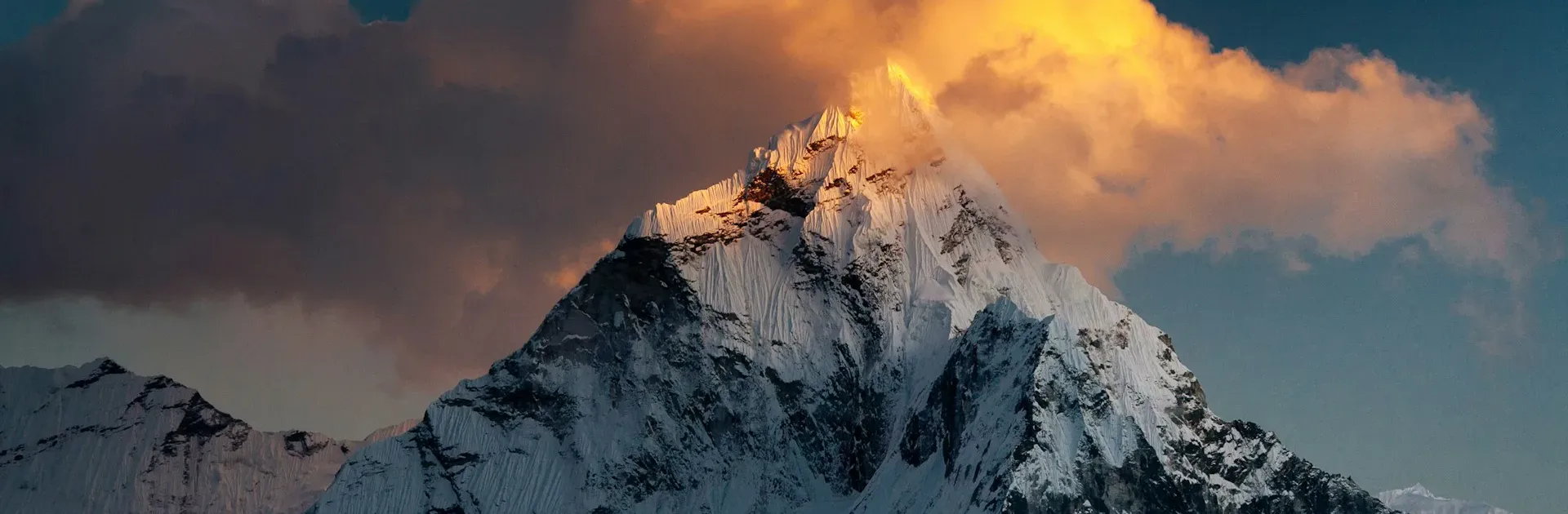
When you dream of trekking in Nepal, the first images that come to mind are snow-covered peaks, prayer flags, and fresh mountain air. But along with the beauty of the Himalaya, something comes that every trekker should know – altitude sickness.
At Sherpa Discovery Treks, we believe consciousness is the best way to stay safe and enjoy your adventure. So let’s explain a few things related to altitude sickness.
Altitude Sickness happens when you climb mountains and your body doesn’t have enough time to adjust to the air. The higher you are, the less oxygen there will be in the air. For example:
Your body needs oxygen to function properly. When there is less, you can feel dizzy, tired, or have a headache. This is altitude sickness.
Altitude Sickness does not care if you are young, old, strong, or weak. Anyone can get it. Some common signs include:
These symptoms usually appear after you climb above 2,500 meters. They may feel small at first, but they can get worse if ignored.
There are three main levels:
Good news: Altitude Sickness is preventable. Here are the Golden Rules Sherpa Discovery Treks following:
At Sherpa Discovery Treks, our guides are trained to recognize the symptoms earlier. If you feel bad:
We take altitude sickness seriously because your safety comes first. Here is what we do:
With us, you do not just walk – you take a walk with peace of mind.
Not everyone has altitude sickness, and most cases are mild. With careful planning, slow climbing, and the support of our Sherpa guides, you can enjoy the mountains without fear. Remember the old saying: “The mountain will wait for you – but your health won’t.”
So take it slowly, respect altitude, and let the journey be as beautiful as the destination. Altitude sickness is natural but avoidable. Be aware, walk slowly, keep yourself hydrated, and trust your Sherpa Discovery Treks team. With the right care, your walk in Nepal will be safe, pleasant, and unforgettable.

Need help?
Talk to trip expert