English
 Dutch
Dutch Japanese
 Hindi
Hindi Italian
 Spanish
 French
 German
 Chinese
 Korean
 Arabic
 Hebrew
 Russian
 Portuguese
 Danish
 Czech
Czech Polish
 Swedish

Need help?
 +977 9767994912
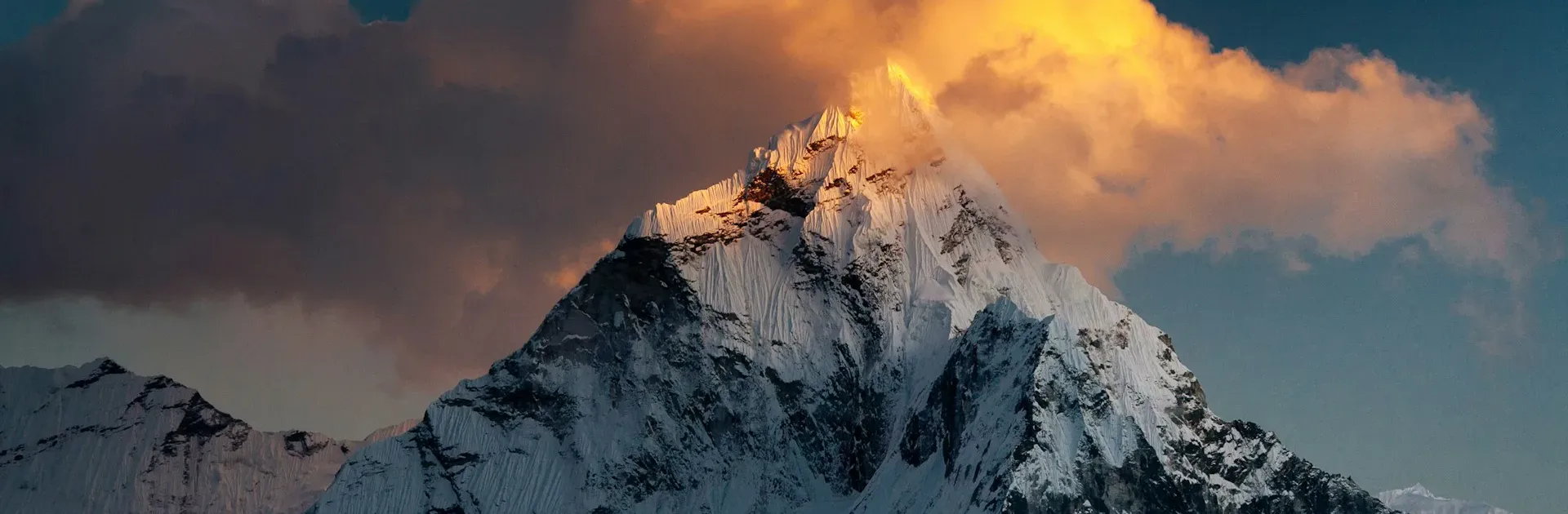

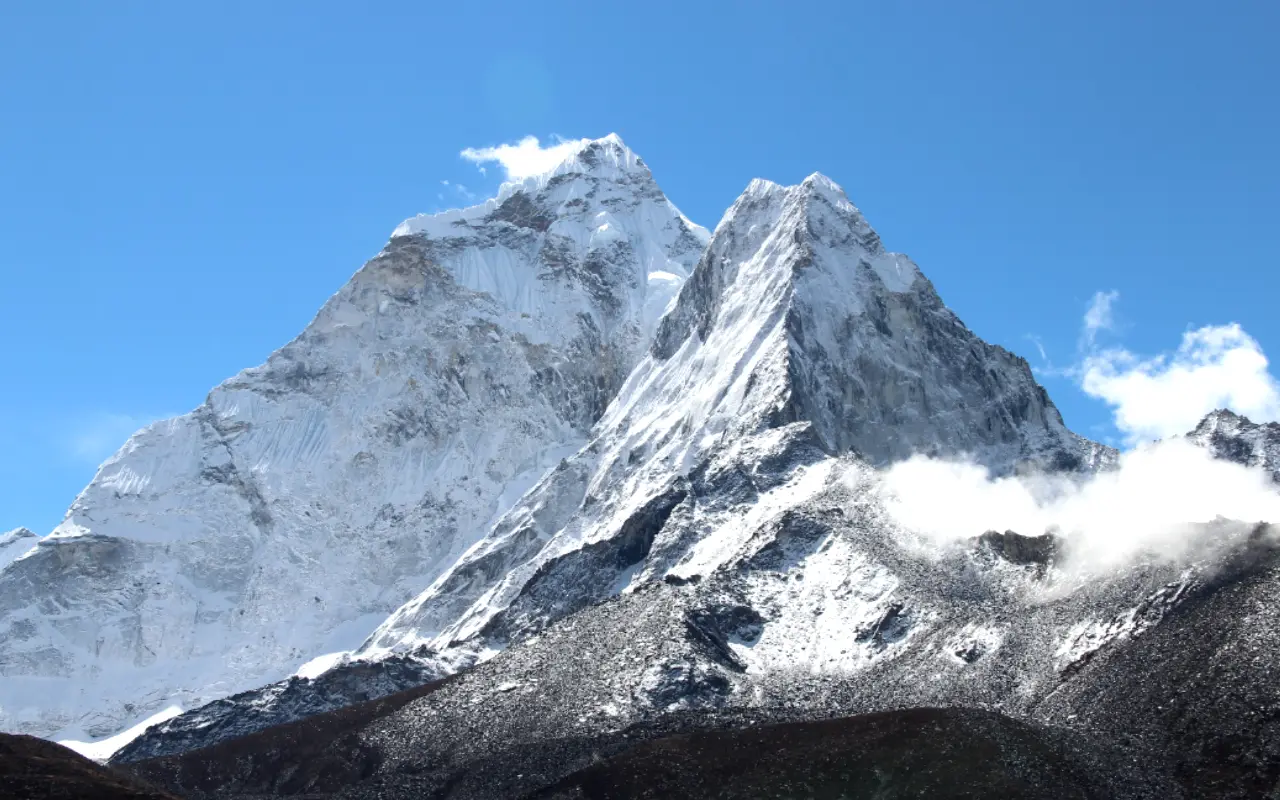
Solo Trekking to Everest Base Camp trek is growing popular nowadays among many trekkers around the world. It is a 14-day-long trek at the base of Mount Everest, located at an elevation of 5,364 meters. The Everest Base Camp Trek offers amazing Himalayan scenery and cultural immersion in villages like Namche Bazaar and Tengboche Monastery.
Solo trekking to Everest Base Camp trek offers trekkers their own itinerary and full immersion into the graceful beauty of nature and culture around them. In order to safely trek alone at EBC, most of the trek needs to be planned thoroughly, trekkers need to prepare both physically and mentally, and trekkers need to familiarize themselves with the route.
Safety is a huge concern for solo trekkers. The safety risks of altitude sickness, navigation, emergency route finding, and slips and falls become more significant as a solo trekker. The Nepal government has now mandated that trekkers hire a registered guide for the entire trek to better protect their safety as well as their support in rural areas.
Despite various risks, solo trekking to Everest Base Camp offers a rewarding and amazing experience with personal growth and adventure opportunities. With proper preparation, a guide, and following safety protocols, solo trekking to Everest Base Camp will be an incredible and unforgettable adventure.
Solo trekking to Everest Base Camp offers you freedom and flexibility to create your itinerary. This allows you to set your own pace and take breaks wherever you want to enjoy the surrounding scenery. Additionally, solo trekking to Everest Base Camp is a journey of self-discovery because this trek will test you physically and mentally, allowing you to build confidence and resilience.
Trekking alone also creates an opportunity to experience nature and local culture on your own through independent interactions with nature and local people. This allows for more in-depth interactions and immersion in local culture in a more impactful way.
Trekking by yourself also creates the potential to meet other trekkers along the trail and connect with them randomly. Without being part of a fixed group, you and create new social experiences and possible friendships with all sorts of different stories to share.
Lastly, trekking alone with or without any tour package in Nepal is cheaper in comparison because you are not paying for a tour and guide. With careful planning, you can save the potential costs of the trek.
Altitude sickness poses the biggest safety risk when solo trekking to Everest Base Camp. Symptoms of altitude sickness start to appear when you reach an altitude higher than 3500 meters. Therefore, proper acclimatization is important to reduce the symptoms of altitude sickness.
The weather is unpredictable on the Everest Base Camp trail. You can see frequent snowfall, precipitation, and fluctuating temperatures on the trails. Rain causes slippery trails, which is quite dangerous. This condition allows you to be prepared with layered clothing and flexible planning during the trek.
There are trails to Everest Base Camp that will always be marked and easy to follow. However, there will be moments when it could become difficult to find your way because you are in a remote location. If you are trekking solo, you need to pay special attention so you do not get lost. If you have a good map or GPS device, you should have their safety in mind.
Emergencies always pose the biggest risk for trekking at this altitude. Medical assistance would be far from a village, and the additional cost of standard medical applies if serious health issues require a helicopter evacuation. Your insurance travels with travel insurance, and if you are going to be a solo trekker, know how to handle your emergency if you find yourself in one.
The risk of theft and scams is low, as it does not really happen at all, but non-zero risk for someone who is in a crowded area such as Lukla, Namche Bazaar, etc. As the Everest region is a safe place for solo trekking, it’s important not to avoid or dismiss caution and risk at the same time. Remember to be cautious, lock your belongings as suitably, and avoid foolish situations to minimize the risks.
Physical fitness is important at Everest Base Camp. You need to do training that focuses on endurance, strength, and altitude acclimatization. Additionally, cardiovascular strengthening training and daily hiking with some weight will be beneficial.
When packing for the trek, always consider the essentials. Good trekking boots, layered clothing, trekking poles, a first aid kit, sunscreen, and hydration systems are the important things to consider.
A good rule of thumb for overall pack weight is a manageable weight in the region of 25 kg. Too much weight in a day pack will increase fatigue and affect productivity, especially over a long trekking day.
To go to Everest Base Camp solo, you will need a Trekkers Information Management System card and a Sagarmatha National Park permit. These permits can be obtained by your tour agency. These permits must be secured to comply with trekking rules and regulations.
It is now mandatory for solo trekkers to hire a guide, which will keep you safe because the guide, in many circumstances, can assist in deciding which route to take and in case an emergency arises. It is possible to trek to Everest Base Camp all solo, but based on your self-reliance, preparation, and calculation of risk, this option is more difficult.
Always note emergency contacts and have insurance that covers evacuation by helicopter. Reliable communication capabilities and travel insurance, which are consistent with your policy and the requirements for prompt responses, are also paramount during your trip for altitude sickness or any eventuality.
If you choose solo trekking to Everest Base Camp, you will be staying in teahouses where you will be sharing the space with many other trekkers from across the globe. Sharing food and space with others like you creates social interactions and camaraderie, accompanied by many amazing stories, alleviating the loneliness experienced when you solo trek while enriching your experience even further.
From a mental perspective, solo trekking to Everest Base Camp is challenging. It involves solitude, physical exhaustion, and extending one’s limits. The need to develop mental toughness is equally competing for your attention in dealing with these challenges, and will help you remain motivated and diligent during your proceedings at high altitude.
Key highlights of this trek will include the scenery of the magnificent Himalaya, your encounter with Sherpa culture and hospitality, and the sense of accomplishment once at Everest Base Camp. These highlights provide some measure of toughness and reward that, regardless of the difficulties, a solo trek is valuable.
Solo trekking to Everest Base Camp is risky because the dangers may come from the altitude and from unexpected situations. However, if you have made the right preparation, it is still a safe and fulfilling journey. The stunning views and the local people have made it a very special trip to remember forever.
It is very important to be honest with yourself about your condition, your emotional preparedness, and your capability in organizing before deciding to trek alone. The best way is to get a guide who will surely improve your safety and assist you in finding your way, as well as provide expert support that is not a fight with independence but a balance.
Trekking alone to EBC provides a very personal experience of self-awareness and self-determination. The difficulties that you encounter and the friends you will be able to make will give you a lot of new memories.