English
 Dutch
Dutch Japanese
 Hindi
Hindi Italian
 Spanish
 French
 German
 Chinese
 Korean
 Arabic
 Hebrew
 Russian
 Portuguese
 Danish
 Czech
Czech Polish
 Swedish
Need help?
 +977 9767994912


Trip Duration
17 Days
Trip Difficulty
Moderate
Max. Altitude
6,119m / 20,075ft.
Activity
Climbing
Destination
Nepal
Group Size
1-16 Pax
Accommodation
3 star Hotel
Meals
Breakfast, Lunch, Dinner
US$ 2650
We offer group discounts
Total Cost:
US$ 2700

Need help?
Talk to trip expert
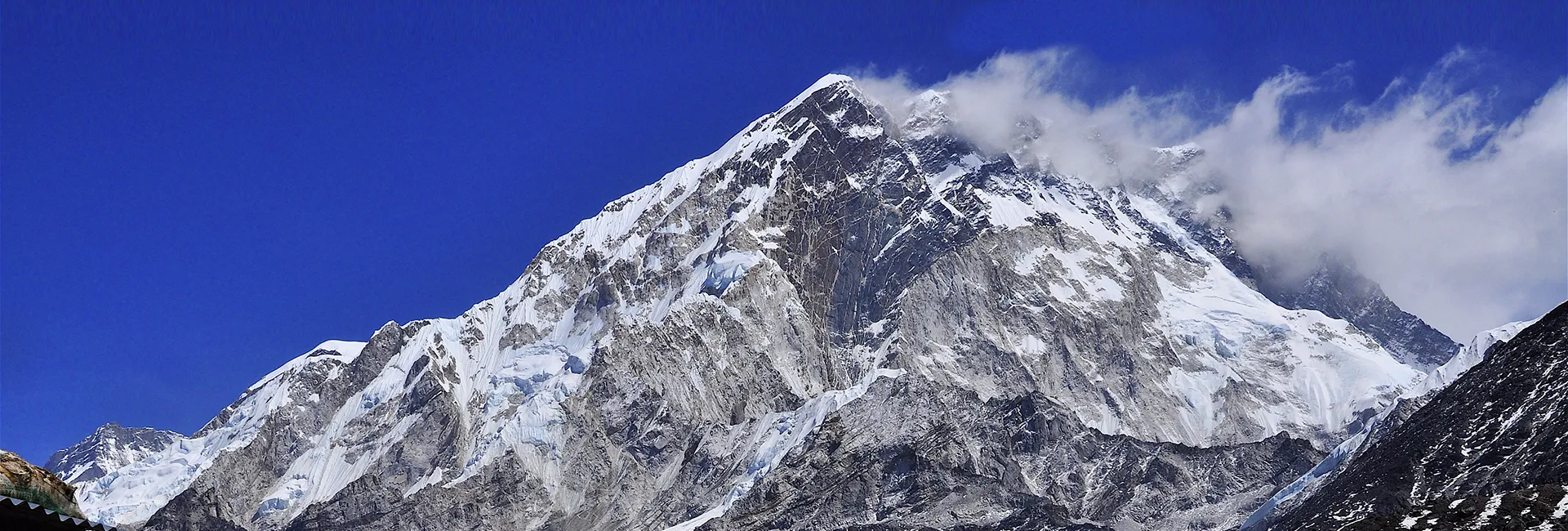
Lobuche Peak climbing offers an exciting combination of mountain trekking at high altitudes and fundamental climbing techniques. Lobuche East reaches 6,119 meters within the Everest region, where climbers can view all neighboring Himalayan giants.
Lobuche Peak Climbing start with the traditional Everest Base Camp path then shifts away from Lobuche High Camp to plan the summit attempt. Climbers traverse through areas that contain rocky moraines and icy slopes and glacier crossings as they must display endurance with patience combined with essential climbing abilities.
You get to witness the lively Namche Bazaar, amazing sunrise view from Kala Patthar and the base of the world’s tallest mountain, Everest. The ultimate ascent comprises steep slopes with fixed lines as well as difficult ice-covered ridgelines that reach the summit.
Together with the stunning views, you are bound to have a spiritual journey as you reach Tengboche Monastery on the way.
The most suitable climate for Lobuche Peak climbing exists during spring and autumn seasons making them the perfect choice for reaching the summit safely.
A combination of proper acclimatization with physical fitness and qualified guides secures the safety of Himalayan climbers who want an extraordinary mountain-climbing trip.

We will meet you at your arrival to Tribhuvan International Airport and facilitate a hotel transfer to Thamel’s tourist area following immigration along with luggage retrieval.
After checking in, you have time to relax while you also explore the nearby market areas. Thamel’s lively atmosphere includes trekking shops together with restaurants and cultural points, which creates an excellent base for understanding Kathmandu’s spirit.
Your guide will conduct the pre-trek briefing session which every member needs to attend in the evening. The briefing session includes reviewing trip plans and providing essential height safety advice, and checking for all essential permits and equipment.
Dinner at a Nepali traditional restaurant or hotel relaxation becomes available following the completion of final preparations before the expedition starts.


We are currently organizing all necessary steps for participating in the Lobuche Peak climbing journey. We will complete all paperwork related to trekking and climbing and check that every aspect is prepared before starting the trek.
We will inspect your climbing gear before directing you to Kathmandu’s top trekking stores for renting or acquiring any lacking equipment. Choose the best suitable equipment from your selection with guidance from your guide.
The completion of your preparations gives you the chance to discover the extensive cultural heritage of Kathmandu. Swayambhunath (Monkey Temple) and Boudhanath Stupa together with Pashupatinath Temple comprise the main sites in Kathmandu that you can choose for exploration.
You can choose to spend your time between resting at the hotel or relaxing at a café. Our team will conduct one last meeting during nighttime for checking packing and itinerary confirmation.
Make sure to enjoy sufficient rest throughout the night because the trek starts early in the morning.

The morning begins with an early departure to Lukla through a stunning 30-minute flight from the airport. Aerial passengers who take this journey experience unrivaled views of the Himalayas which ranks this flight as one of the world’s most thrilling flight experiences.
We greet our traveling companions upon landing in Tenzing-Hillary Airport then start our journey with them. Travelers move downward through the villages of Chheplung and Ghat where they see numerous Buddhist chortens and prayer wheels.
During the hike we watch the Dudh Koshi River from beside while passing through multiple suspension bridges within lush green surroundings. Reaching Phakding takes approximately three hours of walking from our starting point and we stay in a homely teahouse.
After settling into the accommodation you can walk around the village and visit Rimishung Monastery. Our group discusses the upcoming trek followed by rest time before bedtime.
We proceed through the morning after breakfast while walking along the Dudh Koshi River before reaching Bengal and Monjo settlements. From the hiking path we can observe pine tree forests and waterfalls as well as distant snowy mountain tops.
We enter Sagarmatha National Park at Monjo while performing permit registration. The trail features multiple suspension bridges where Hillary Bridge stands out as the most famous structure that spans high across the river.
Traveling past this point means climbing a challenging slope through thick forest growth. Achieving higher altitudes brings us the rewarding experience of spotting Mount Everest for the first time.
It takes six full hours of trekking until we get to Namche Bazaar which serves as the heart of the Sherpas in the Everest area. The day ends with settling into our lodge while we share meals and unwind ahead of exploring Namche Bazaar.
Namche Bazaar serves as our base today in order to let our bodies adapt to the higher elevation. During mountaineering, success depends on proper acclimatization which gets assisted by being physically active.
The first stop of the day leads us to Everest View Hotel (3,880m) which ranks as one of the highest hotels in the world. The hotel location grants spectacular panoramas which display Everest together with Lhotse, Nuptse, and Ama Dablam.
We stop at Namche’s Sherpa Culture Museum before returning from our journey to see the combination of Sherpa handicrafts with bakeries and trekking equipment shops throughout the markets. Visitors can find rest in cafés which offer panoramic mountain views alongside other amenities.
When evening arrives we go back to the lodge for dinner followed by rest. The next day of our travels will lead us toward Tengboche while we walk through stunning rhododendron forest landscapes.
After our breakfast we follow the trail that leads through Namche Bazaar following the Dudh Koshi River. During this hike we can admire beautiful scenes of Ama Dablam in addition to Everest with Thamserku in the distance.
The route leads us downwards to the lunch stop at Phunki Tenga (3,250m) situated next to the river. The trail ascends steeply through pine and rhododendron woodlands after taking a rest stop.
We reach Tengboche where we find the largest monastery of the Everest region situated in this place beside the famous Tengboche Monastery. Visitors who have time stop to witness the evening prayer service conducted by the monks.
Visitors can see all three peaks of Everest and Lhotse together with Ama Dablam who visit Tengboche. We stay at the teahouse while enjoying our dinner and spending the night.
The day brings tranquility in Tengboche before we begin our journey toward Dingboche. Travelers journey downward through a densified forest of rhododendrons and junipers while crossing the Imja Khola River.
The journey leads us across a suspension bridge before we arrive at Pangboche village situated at 3,985 meters above sea level at the end of Sherpa settlements that precede Everest Base Camp. Pangboche Monastery stands as one of the oldest religious establishments in this region.
Dingboche is located in the Khumbu region and people call it the Summer Valley because of its location due to its elevation.
After our check-in at the teahouse we place ourselves for rest. Dingboche presents spectacular views of Island Peak and Lhotse and Ama Dablam so it serves as the ideal spot to recover after climbing our next acclimatization mountain.
We use another day in Dingboche to better adapt to the altitude. The ascent towards to Nangkartshang peak(5083) serves as an optional trekking option for us because it showcases Everest, Makalu, and Cho Oyu together with gorgeous vistas.
The rugged ascent leads us to successfully adapt to elevated altitudes. Our position at the summit reveals both the Imja Valley and Island Peak Base Camp to our sight. We leave the vista point to return back down to Dingboche.
After the rest period, we have available time to either rest or explore the area. Apart from visiting bakeries, you can choose to explore the village while resting at the tea house.
After dinner, dedicate the evening to preparing for our approaching trek to Lobuche because we are nearing Everest Base Camp, which stands as our climbing destination.
The journey starts at Dingboche while we navigate through demanding terrain which provides spectacular views of the snow-covered mountain peaks. The path moves upward toward Thukla followed by a rest stop before ascending steeply through Thukla Pass.
Memorials dedicated to casualties from Mount Everest climbing stand as poignant marks at the pass which climbers reaching this point can see. Beyond the level stretch of the trail we obtain magnificent sights of Pumori together with Nuptse while we get closer to Lobuche village.
The decreasing oxygen supply requires walkers to move at a controlled pace because altitude ascents cause a drop in atmospheric oxygen. We arrive at Lobuche peak climbing where we stay at teahouses to gain warmth before continuing with the upcoming difficult trekking segment.
During the chilly nighttime we need extra clothes for protection against the cold before starting our upcoming adventure.
The return begins during early hours while hikers walk on icy glacial terrain, which leads to Gorakshep alongside the Khumbu Glacier. Caution is necessary when walking on the trail because its rugged nature includes navigation through ice ridges plus loose moraine sections.
Having traveled to Gorakshep, we stop briefly for rest and then proceed to visit the celebrated Everest Base Camp. The course gets tougher but panoramic ice sculptures and massive mountain heights add value to each stride.
Technical climbers can feel the historical energy at the starting area of legendary Everest expedition site upon their arrival. Our journey to Gorakshep becomes a return path for both memory capturing and obtaining rest and eating meals.
Although physical fatigue takes over, we maintain elevated spirits for the upcoming Kala Patthar hike.
We rise during the early hours to face cold weather then proceed with our steep climb toward Kala Patthar summit. Tourists will find the path demanding because they need strength to make progress until they see the most gorgeous sunrises.
The dazzling morning sunlight shows Everest and Nuptse and Pumori to fascinated travelers who experience total wonder in their view. Stepping to the highest vantage point of the trek invokes deep sense of accomplishment because reaching this position demanded a great deal of effort.
We stay at Gorakshep to have breakfast before our return descent from this point. The trail descends towards Pheriche, then to Lobuche which requires controlled locomotion because the high altitude affects energy levels negatively.
We settle at the campsite while refueling our body and using the time for rest before beginning our journey to High Camp.
The group climbs the steep mountain path to reach High Camp passing rocky terrain with plenty of glacier ice formations. The low-oxygen environment needs deep controlled breathing together with gradual body movements because they help us properly adapt to high altitude conditions and maintain energy levels.
The strenuous terrain pushes us onward since this location serves as the last stop before our summit ascent begins. Our team sets up tents at High Camp before receiving vital information about climbing methods and protecting ourselves from potential hazards.
Prior to the summit attempt, guides instruct climbers about essential skills which include how to use ropes, as well as ice axe techniques and equipment preparation methods. The night meal completion precedes our early bedtime since we need time to mentally and physically settle for tomorrow’s difficult climb at midnight.
On the next day we will experience our greatest physical and emotional challenge during our entire mountaineering expedition.
Each of us rises before midnight to put on harnesses and ropes and crampons before beginning the summit attempt. The initial part of the ascent demands harsh ridges while presenting technical terrain which forces climbers to maintain endurance while using proper climbing skills.
The rising dawn shows us the spectacular Himalayan summits extending all around as we continue to climb upward. Summit success produces an intense feeling when climbers view Everest alongside Lhotse, together with Makalu and Ama Dablam from the top.
Next we descend in a methodical way before returning to High Camp through our previous route. Our journey progresses from the rest period down to Pheriche through steep slopes that require us to handle our drained leg power.
We rest in inviting teahouses once we reach our destination before enjoying a fulfilling hot dinner after conquering this demanding but worthwhile goal. Before proceeding with our descent we will experience a deep sleep worthy of our achievement.
Our group leaves behind Pheriche to return back through established trails with a sense of triumph. The path descends gradually until we reach Pangboche which houses the monastery that allegedly displays a Yeti scalp.
Tourists must navigate their way through the rhododendron woodlands as they cross various suspension bridges spanning across the strong Dudh Koshi River. Additional oxygen in the atmosphere makes our breathing easier while our movement speed increases as we descend further.
Multiple hours of walking through the Nepal wilderness leads our group to Namche Bazaar where the active market town offers a welcoming rest to its exhausted but contented visitors.
The combination of all-day rush and bakeries and cozy lodges at Namche Bazaar creates relaxing spaces after enduring the challenging conditions of altitudinal wilderness.
After successfully completing our climb we share a satisfying meal while sharing stories from our remarkable Nepal adventure through an awe-inspiring Everest region.
We complete our trekking journey by returning through the curving paths that traversed the Everest region. Some sections show steep descent along the trail path while crossing above the deep river sounds of Dudh Koshi through suspension bridges.
Our route takes us through Monjo, then Phakding where the familiar scenes appear completely different in our new vantage point. The lower elevation replaces the high alpine landscape with green vegetation and extensive forest growth.
Our path to Lukla becomes emotional during the final journey because we must leave behind the grand Himalayas which continue to rise majestically behind us. We reach the teahouse for lodging before having our last mountain evening with guides and porters.
After the day’s adventures, we spend an evening shifting between appreciation of blessings to the enjoyment of good company together with heartfelt thoughts about all we’ve lived through.
The airplane journey from Lukla to Kathmandu during the morning presents Nepal’s spectacular mountain scenery during the last approach. The short 30-minute flight leads us across mountain slopes and valley depths until we reach the urban environment once again.
We reach the hotel and obtain a hot shower to follow our much-needed period of rest. The city of Kathmandu embraces visitors through its crowded streets filled with both modern markets and historical sites along with numerous cultural destinations.
Visitors between Thamel explore the shopping area to buy souvenirs and simultaneously explore pivotal landmarks which include Boudhanath Stupa and Swayambhunath Temple. We share a farewell dinner to commemorate our Himalayan expedition success during sunset hours.
Our transformative experience brings everlasting memories which combine with valued friendships along with permanent achievements.
We organize our departure after breakfast while summarizing the outstanding memories from this adventure. The entire journey through the Himalayas required immense physical effort and these experiences created emotional rewards that will stay in our minds forever.
Passengers waiting for extended layovers in Kathmandu discover unknown sites in addition to making time for rest before their flight departure. Our representative will help us reach Tribhuvan International Airport to prevent any inconvenience during the transfer.
We depart from Nepal feeling full of sentiments about the mountains and possessing everlasting memories of this spectacular nation’s skyline.
After the trek ends, we will keep the Himalayan spirit within us forever. The beauty of Nepal along with its traditional culture will continuously motivate us for all our forthcoming travel experiences.


Flights departing from and landing at Lukla airport need to be redirected many times because of unpredictable weather conditions that generate unexpected itinerary modifications.
Weather conditions with intense winds together with fogged visibilities leading to sudden atmospheric changes tend to result in flight delays that disrupt trekking timing. Disruptions during flights might lead to reroute operations that send planes to Manthali Airport which requires a traveling connection by road from Kathmandu.
A trekking experience requires early planning because the alternative route extends the travel duration by several additional hours. Passengers who choose helicopter travel will find these services far more expensive than conventional aircraft bookings.
It is vital to schedule buffer days as a safety measure since disruptive flight conditions at Lukla can lead to missed international departures.
Traveled individuals need to constantly check weather conditions and show patience during operations, which are determined by meteorological factors.
The optimal time to Lobuche Peak climbing exists during spring and autumn months because stable meteorological conditions prevail at that time.
March to May creates optimal conditions in Spring because the weather remains pleasant with clear skies so climbers can easily reach high-altitude peaks. Climbers will find trails covered by blooming rhododendrons which create a picturesque mountain trekking experience.
The autumn months between September and November provide climbers with clear weather conditions and cool temperatures together with reduced risks of blizzards and storms.
The climbing experience becomes more difficult during the monsoon and winter seasons. Both the off-season brings their own difficulties and are generally not recommended trek with this time period.
The winter brings extreme cold, requiring trekkers to have heavy clothing layers and equipments. The temperature can go way below freezing and the snow accumulation makes it difficult too.
Monsoon will have continuous rain that makes the trail muddy, slippery and dangerous overall. The lower altitude can be swamped with leeches which can be uncomforting for many.
Weather stability guarantees safe ascents because it decreases the risks of altitude sickness and severe wind conditions. Through proper planning, Lobuche Peak climbers can achieve their best achievable summit experience.
The ascent to Lobuche Peak demands basic climbing experience together with trekking strength from hikers. Mountain climbers use ropes together with crampons and ice axes to traverse steep icy terrain because proper navigation is essential for stability during the climb.
The challenge at high altitude requires complete acclimatization because Lobuche Peak climbing causes health risks at these altitudes. The unpredictable weather at the trekking site includes powerful winds and temperatures below freezing, which puts both mental and physical health under extreme strain.
The last part of the ascent demands advanced climbing abilities to scale through glacial terrain during a climb requiring specific technical abilities. Trekkers who has performed previous high-altitude trekking activities will better handle challenging mountain conditions, together with physically demanding slopes.
Travelers who undergo physical fitness training and proper acclimatization and master technical skills will increase their chances to successfully climb and return home unharmed.Permits Required on the Lobuche Peak Climbing
Trekkers for the Lobuche Peak Climbing need to have the required permits to enter the region.
The Sagarmatha National Park Entry Permit grants authorized entry to traverse the Everest region because it operates as a protected area. Local conservation and community development funding now depends on the Khumbu Rural Municipality Permit which has taken the place of the previous TIMS card.
The technical routes of Lobuche Peak require a climbing permit provided by the Nepal Mountaineering Association (NMA). Trekking agencies along with official government offices provide the access to obtain these required permits before anyone begins their expedition.
Fees for visiting Everest vary according to seasonal demand, the expense increases during spring and autumn high climbing seasons. You can skip the regular process of obtaining permits and have a hassle free trekking as we include the permits in our package.
Lobuche Peak Route contains various terrains that are filled with numerous wildlife and flora. These species are isolated from the general public and are endangered a lot.
Trekkers in the region can find various wildlife such as Himalayan Tahr, musk deer, etc. But as we go higher, the visibility of wildlife lessens and only the rarest animals like red panda or snow leopards can be seen at higher altitude, if you are lucky enough.
Birdwatchers can also have a beautiful time in the Lobuche peak climbing. Travelers can spot numerous birds like Himalayan Monal and eagles.
The floras here are also unique, the Rhododendron (Nepal national flower) being the attraction. In spring, the trail are hit by beautiful sprouting of rhododendron in bright red, pink and white which makes it worthwhile. You can also view other plants like oaks, and pine trees that grow in these areas.
Travelers and climbers who visit Lobuche Peak Climbing can access essential services through tea houses that offer minimal accommodations.
The basic accommodation areas consist of simple rooms which contain twin beds and warm blankets and bathroom facilities. Availability of hot water in the lower altitudes is amazing, but in the higher altitudes, it is sparse and can cost you extra money.
Exhausting trekking days require communal dining halls as a place where people can find comfort through social connections and warming food that replenishes depleted energy.
Nepalese people commonly eat Dal Bhat, which consists of rice, together with lentils and various vegetables, making it both nutritious and easily obtainable. The food options on trek routes consist of noodles, pasta, soups along with Tibetan bread to serve different dietary needs of travelers.
Difficulties in transporting food materials at elevated regions force climbers to organize their meals in advance before starting their adventure.
Trekkers need to be physically fit, alongside having strong endurance skills, while having past experience with high-altitude treks to complete Lobuche Peak climbing.
Climbers need to perform cardiovascular exercises, including running and hiking as well as cycling, hill training to develop their capacity for extended hiking trails. The ability to handle steep paths with rough and slippery terrains depends heavily on proper strength training of the core muscles and legs.
Proper altitude adjustment requires climbers to increase their elevation exposure step by step so they can attempt the final ascent. The ability to maintain mental strength serves essential functions because dangerous weather conditions, together with strenuous environments, challenge climbers to stay determined and focused.
Training sessions combined with adequate hydration along with paced trekking make both performance better and exposure to altitude dangers more manageable.
A body which receives proper preparation along with proper mental conditioning will increase the likelihood of attaining the difficult Lobuche Peak climbing.
Any adventure in the high-altitude Lobuche Peak climbing needs careful attention to altitude sickness as a major health risk for trekkers and climbers. Elevational increase causes oxygen levels to decrease while acclimatization stands as the vital method to avoid the development of Acute Mountain Sickness (AMS).
Elderly persons or children under 18 must seek immediate medical attention and rest because symptoms such as headaches and dizziness together with nausea and shortness of breath and extreme fatigue occur.
The risk of altitude sickness decreases when people ascend slowly and remain hydrated and abstain from alcohol, and engage in excessive activity.
New climbers need to understand the existence of severe high-altitude medical conditions, which can include High Altitude Pulmonary Edema (HAPE) and High Altitude Cerebral Edema (HACE).
Moving to a lower altitude becomes essential when symptoms deteriorate because it stops potentially fatal conditions. To achieve a safer and healthier climbing experience one needs to carry Diamox medication along with skills for early warning sign recognition.
The Khumbu region allows adventurers to meet Sherpa people who have gained worldwide fame as expert climbers.
Visitors walking through Namche Bazaar and Tengboche meet Buddhist customs and explore aged religious temples within these villages.
Religious symbols like prayer flags alongside prayer wheels and mani walls display the profound spiritual convictions which decorate several points along the trekking trails.
Maintaining an important spiritual position in the area lies the Tengboche Monastery where monks conduct sacred religious ceremonies and chanting services for climbers who visit the site.
Tea houses operated by Sherpa people provide inviting hospitality that includes both traditional local food and friendly receptions to visitors.
The traditional practices and festival activities and anecdote collection from Everest climbing history enhance the trekking adventure by linking travelers to Himalayan cultural heritage.
Other groups value Sherpa culture more when they demonstrate respect for local customs and participate in authentic Sherpa community interactions.
To climb Lobuche Peak you need basic mountaineering capabilities because this challenge poses moderate difficulty to climbers.
The challenging ascent necessitates steep snow and ice elements that need ropes and both crampons and ice axes for effective climbing.
The optimal times to climb Lobuche Peak in Nepal occur during the spring months of March to May as well as the autumn period from September to November thanks to their stable climate and excellent visibility..
The complete Lobuche Peak ascent via EBC route normally spans 15 to 21 days because it covers both acclimatization and Everest Base Camp walking and summit efforts before Kathmandu.
Adding an Everest Base Camp trek provides gradual adaptation to high altitudes while it increases the chance for summit success and delivers an amazing trekking adventure immediately before ascending the technical route.
You need climbing permit for Lobuche peak, which you can obtain from Nepal mountaineering association (NMA). In addition you will need Sagarmatha National Park permission as well as Khumbu Rural Municipality permit which will give you access to Everest region.
The climate at Lobuche High Camp and the summit area falls below -20°C (-4°F) due to elevated altitude conditions. Proper layering of clothing together with appropriate equipment represents essential requirements for success.

US$ 2650
We offer group discounts
Total Cost:
US$ 2700
Need help?
Talk to trip expert