English
 Dutch
Dutch Japanese
 Hindi
Hindi Italian
 Spanish
 French
 German
 Chinese
 Korean
 Arabic
 Hebrew
 Russian
 Portuguese
 Danish
 Czech
Czech Polish
 Swedish
Need help?
 +977 9767994912
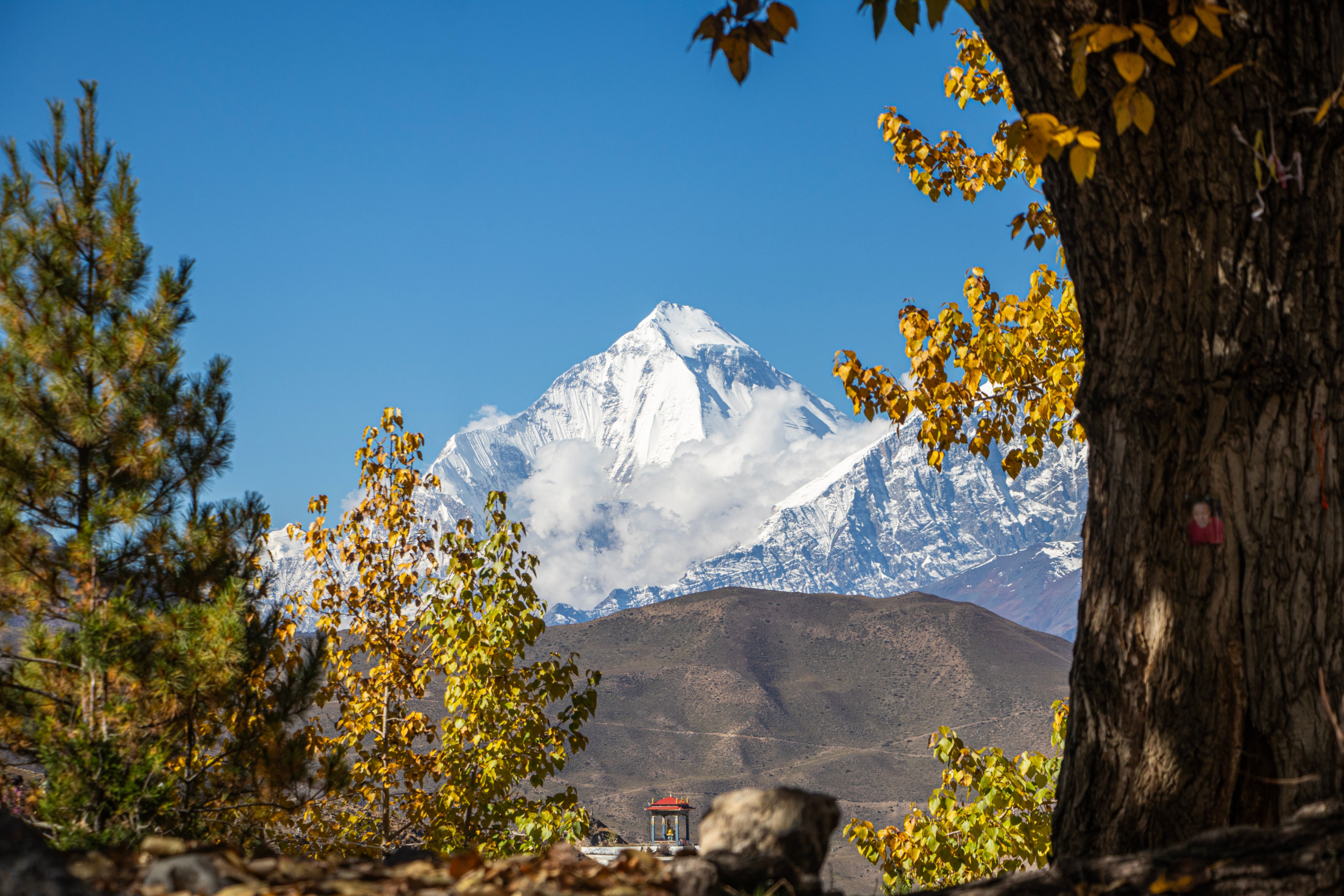
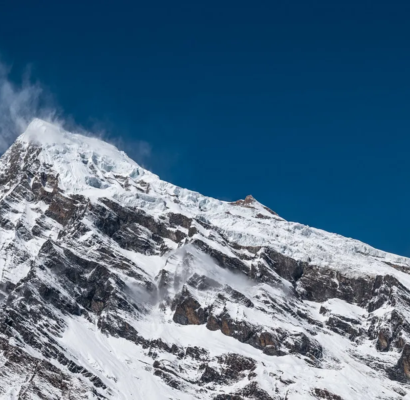
The Dhaulagiri Region Trekking is one of the most challenging and rewarding off-the-beaten-path adventure destinations in Nepal. Dominated by Mount Dhaulagiri (8,167 meters), the seventh-highest mountain in the world, this region offers dramatic mountain scenery, isolated villages, high mountain passes, and untouched Himalayan wilderness.
At Sherpa Discovery Treks, we organise fully guided expeditions and lodge-based journeys through the wild landscapes of western Nepal for adventurous trekkers seeking a true wilderness experience.
Unlike popular commercial routes like Everest or Annapurna, trekking in the Dhaulagiri area takes you through untouched wilderness with very few trekkers. Here are the main highlights of exploring this rugged destination:
Depending on your time, physical fitness, and interest, there are several trekking routes to explore within this region:
If you are looking for other classic high-altitude routes in Nepal, check out our popular Everest Base Camp Trek or explore the scenic trails of the Annapurna Region
Choosing the right time for high-altitude trekking is crucial for safety and clear mountain vistas.
For official weather forecasts and high-altitude safety guidelines before planning your trip, you can consult the official Nepal Tourism Board guidelines.
Dhaulagiri treks require good physical fitness, proper acclimatisation, and experienced local mountain guides. At Sherpa Discovery Treks, our team ensures your safety with top-quality equipment, experienced Sherpa guides, and personalised itineraries.
Ready to explore the wild western Himalayas? Contact our team today to customise your ultimate trekking experience!
Dhaulagiri Region Trekking is considered a challenging and strenuous trek suited for experienced trekkers. It involves walking over glaciated terrain, navigating high passes like French Pass (5,360m), and spending multiple days at high altitudes. A strong level of physical fitness and prior trekking experience are highly recommended.
The best seasons for this trek are Spring (March to May) and Autumn (September to November). During these months, the weather is relatively stable, temperatures are pleasant, and clear skies offer breathtaking views of Mount Dhaulagiri and surrounding Himalayan peaks.
Yes, hiring an experienced local guide is strongly recommended. The Dhaulagiri trail passes through remote wilderness with limited signage and harsh alpine conditions. A guide ensures safe navigation, proper acclimatisation, and handles all necessary permits and emergency logistics.
To trek in the Dhaulagiri region, you generally require the ACAP (Annapurna Conservation Area Project) permit and a TIMS (Trekkers’ Information Management System) card. Depending on your exact route, additional local region entry permits may also apply.
While some lower-altitude sections offer basic local teahouses, parts of the Dhaulagiri circuit are remote and require wilderness camping. Depending on your chosen itinerary, your trek will be a mix of simple lodge stays and fully organised camping supported by a crew.

Need help?
Talk to trip expert