English
 Dutch
Dutch Japanese
 Hindi
Hindi Italian
 Spanish
 French
 German
 Chinese
 Korean
 Arabic
 Hebrew
 Russian
 Portuguese
 Danish
 Czech
Czech Polish
 Swedish

Need help?
 +977 9767994912
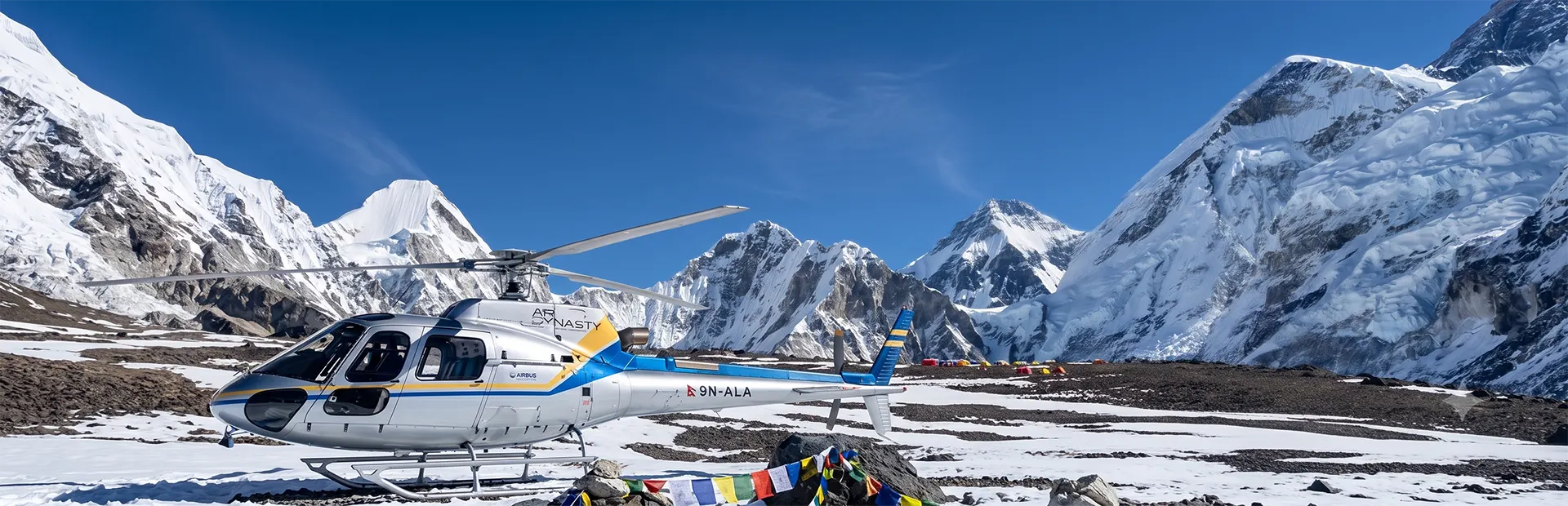

One of the most important choices you have to make when you’re planning your trip to the Everest region is deciding between the Everest Base Camp Trek with Helicopter Return and the traditional trek. Both options will get you to Everest Base Camp, where you can get a taste of Sherpa culture and also experience some of the most memorable scenery in the Himalayas. The return trip is quite different, though and thus alters the overall trekking experience.
Some people choose to walk the whole way back to Kathmandu from this point; others opt to fly back to Kathmandu from Kala Patthar and Everest Base Camp. Every choice offers its benefits based on the amount of time, money, fitness and travel you have.
This guide provides an in-depth comparison of the two types of trekking. You will be informed of the tour schedule, trekking experience, physical challenges, cost, safety, scenery and who the trek is suitable for. By the end, you’ll know which is the best fit for your needs.
Everest Base Camp Trek with Helicopter Return is a popular trail from Lukla to Everest Base Camp. Trekkers trek through popular villages of Phakding, Namche Bazaar, Tengboche, Dingboche, Lobuche and Gorakshep before heading to Everest Base Camp. The majority of tours also feature a morning hike to Kala Patthar 5,545 m (18,192 ft), the highest viewpoint of the Everest Base Camp Trek, for a breathtaking panoramic view of Mount Everest.
Trip not found.
Travellers do not have to trek back to Lukla over several days but instead can take a helicopter from Gorakshep or another landing site to fly straight to Lukla or Kathmandu. The helicopter flight offers a bird’s-eye perspective of glaciers, valleys, mountains and remote Himalayan villages and also cuts down on the return trip.
The Standard Everest Base Camp Trek follows the same route to Everest Base Camp and Kala Patthar. The main difference is that it takes another 3-4 days to walk back to Lukla, and it is usually a different trekker who does this – the one who flies to Kathmandu.
Both of these treks follow the same route, but the overall experience is different due to the manner in which the return journey is undertaken.
Both treks are similar in the initial section. The path from Lukla (2860m) slowly rises through the woods, Suspension bridges and traditional Sherpa villages. There are usually acclimatisation days spent in Namche Bazar and Dingboche to minimise the possibilities of altitude sickness.
Following this trekker heads on towards Lobuche and Gorakshep and then onwards to Everest Base Camp at 5364m (17598ft). Most treks will also go through Kala Patthar, which offers one of the best close-up views of Mount Everest.
With the EBC Helicopter Return Trek, the trekking ends after Kala Patthar. Then a helicopter is flown over the Khumbu glacier and surrounding peaks back to Kathmandu or Lukla.
The latter route of the Standard Everest Base Camp Trek is the same trek that goes back through Pheriche, Namche Bazaar and Lukla. The return is on the same routes, but many of the hikers remark on the change in the mountain views, the weather and the easy-going nature of the route due to the majority being downhill.
The entire hike experience is different according to the way you return.
Everest Base Camp Trek with Helicopter Return is an adventure yet comfortable trek. You still hike down to Everest Base Camp, but without the long walk down. Many hikers enjoy the challenge of completing the trek and then taking a helicopter ride over the Himalayas. The Khumbu Icefall, glaciers, rivers and mountain ridges are a different experience when viewed from the air.
The Standard Everest Base Camp Trek provides a more realistic feeling of making the full trek on foot. Many of the more seasoned trekkers love to walk the full route, even the return leg! The additional days spent in the mountain villages offer additional chances to meet the local population and experience tea houses and mountain life in the Everest area.
Both experiences are not suited to all. Depending on your preference, you can either do the whole segment or you’ll want to consider a helicopter ride for a memorable touch.
Oftentimes, the time factor is the one that makes the difference.
The typical duration of the Everest Base Camp Trek with Helicopter return is between 10 and 12 days. The trek round-trip is several days if the walk back is done, so for those who have limited vacations, this is a very practical choice.
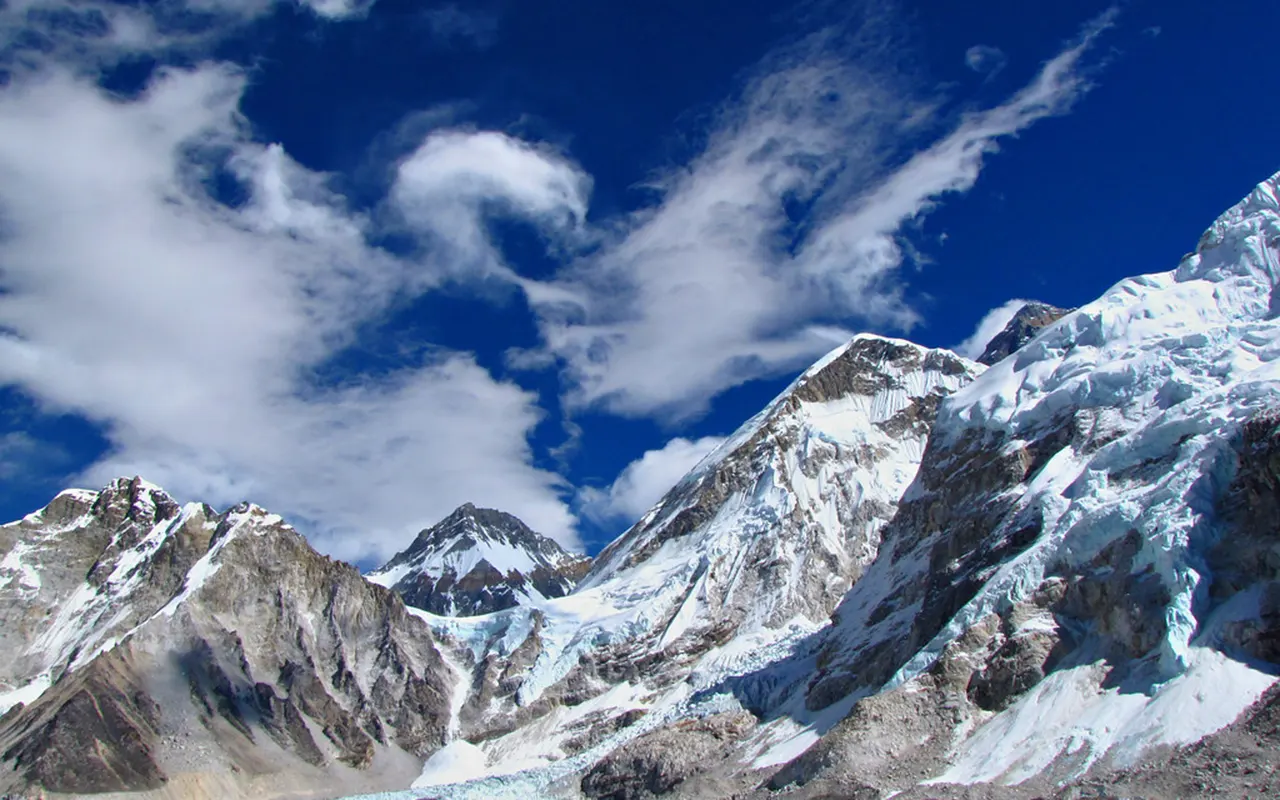
Typically, the Standard Everest Base Camp Trek takes 12-14 days, varying with trek routes and weather. The extra days are to be spent coming back from EBC to Lukla.
For those who have a busy itinerary but still wish to visit Everest Base Camp, a helicopter ascent and descent may be a great option.
Either of the two treks is physically demanding since one must trek for several days to the Everest Base Camp at high altitudes.
Both routes to Everest Base Camp involve the same ascent. Trails are rocky, steep and hilly in many places, and trekkers walk most of the day as they slowly rise in altitude.
The difference comes after reaching the destination.
This Everest Base Camp Trek with Helicopter Return eliminates days of descending back to Kathmandu. Although it sounds easier, long, downhill walks can put a strain on the knees, ankles and leg muscles. These are intense days for many trekkers.
The Standard Everest Base Camp Trek is a trek that demands a lot of stamina to walk up and down. The general rule for the return is that it is easier since the altitude is lower, but it still requires stamina.
The helicopter return might be more suitable for those who have experienced knee pain in the past, don’t have a lot of time or don’t want to trek that distance.
When deciding between these two treks, cost is another important consideration.
The Standard Everest Base Camp trek has a lower cost, unless you need to use a helicopter, which is one of the most expensive options. The bulk of the package price is for accommodation, meals, guide services, permits and domestic flights.
Helicopter return to Everest Base Camp is much more costly because of the helicopter ride. The cost can fluctuate with the weather, number of persons and shared or chartered helicopter.
The helicopter ride is usually more expensive, but many people feel the shortened trip, less leg work and the air view of the mountain are worth the price.
Both hikes offer great views along the way.
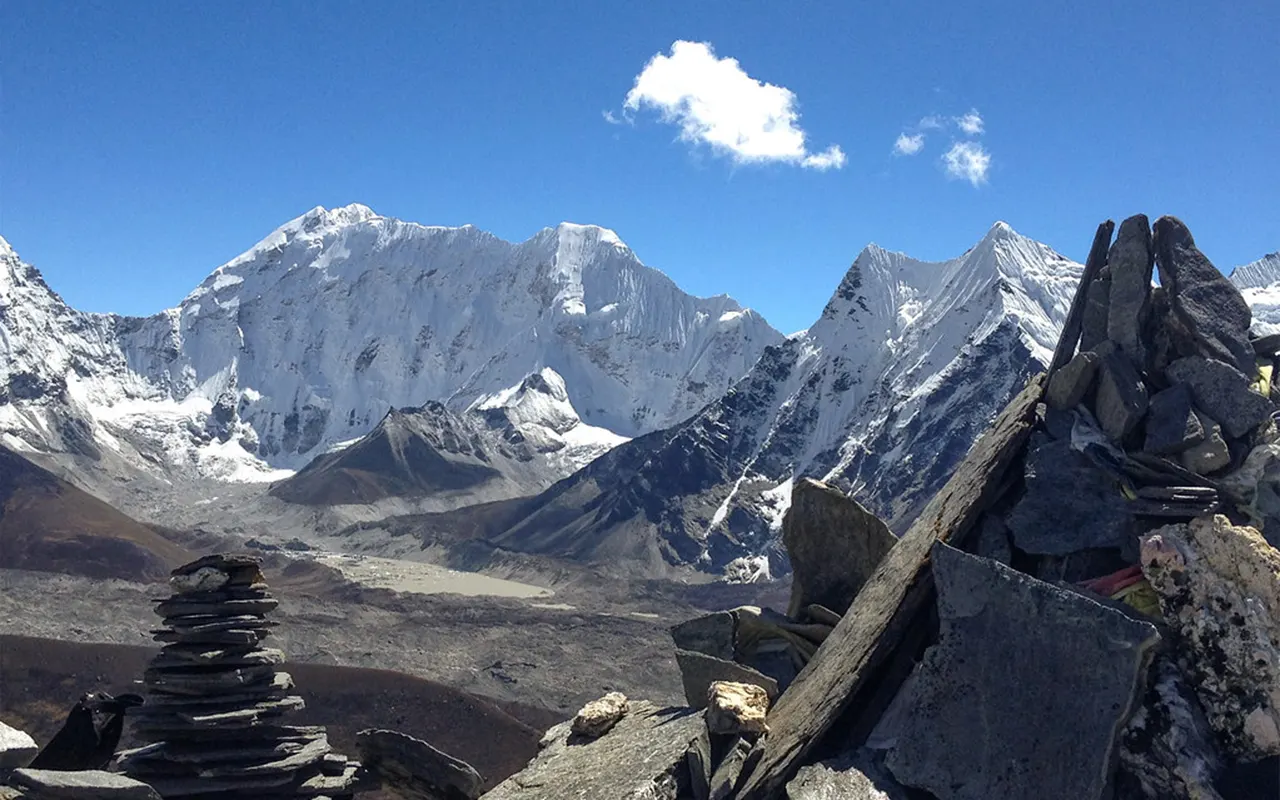
Suspension bridges, monasteries, snowy peaks, mountain villages, rivers and forests meet as you walk through Sagarmatha National Park. Close-ups of Ama Dablam, Lhotse, Nuptse, Thamserku and other Himalayan mountains are enjoyed by the trekkers.
Combined with this is the EBC Helicopter Return Trek with its aerial views of the Khumbu Glacier, the deep valleys and the mountain ranges. From above, one can see landscapes which are not fully appreciated from the trekking trail.
The Standard Everest Base Camp Trek gives more opportunities to appreciate the variations of light, mountain sunsets and quiet mornings in the villages. Some trekkers like to stay a few more days in the Himalayan environment and don’t want to hurry to return to the base of the mountain as soon as they get to the summit.
The two treks are alike except for the acclimatisation procedure that takes place before arriving in EBC.
The most common itineraries have rest days at Namche Bazaar (3,440 m /11,286 ft) and Dingboche ( 4,410 m /14,469 ft). The acclimatisation days are significant because they assist the body in adjusting to the growing altitude.
Everest Base Camp sits at an elevation of 5,364 m (17,598 ft), while Kala Patthar reaches 5,545 m (18,192 ft). No matter which route you take to return, the risk of altitude sickness exists; proper acclimatisation is a must.
The helicopter return does not require a slow ascent to EBC, since the ascent to EBC is the same as the ascent to the helicopter landing point.
There are differences in comfort levels, primarily when heading back.
The Everest Base Camp trek with helicopter return is a trek that allows the hiker to skip a few days of the trek back. This will lower physical fatigue and allow more time to rest after the hard climb.

 12 Days
 Difficult
US$ 1300
The helicopter flight also helps in getting rid of the fear of walking back if minor injuries occur or people feel tired after reaching the Everest Base Camp.
The Standard Everest Base Camp Trek provides a slower pace and additional opportunities to enjoy village life. The local tea houses are a place where many trekkers become familiar, and more time is spent in the Khumbu region before heading back home.
Trekking is influenced by weather conditions in both cases.
It may be possible to see delays in flights departing from Kathmandu to Lukla due to visibility problems during the monsoon and winter seasons. Helicopter flights may also fly when flights by small aircraft cannot, but severe weather also affects helicopter flights.
Spring (March to May) and Autumn (September to November) are the best times for trekking. These months are typically sunnier and have more settled weather with better mountain visibility.
It is important to have a flexible timetable for the Everest Base Camp Trek with Helicopter Return as there are chances for a delay in helicopter flights due to weather conditions.
Everest Base Camp Trek with Helicopter Return is a great package for those who are short on vacation time and wish to attain Everest Base Camp. This is also ideal for those who wish to decrease the amount of physical exertion for the return trip, but not sacrifice the important aspects of the walk.
This is attractive to older travellers, those seeking aerial mountain views, couples celebrating special occasions and anyone who desires a more comfortable finish.
This trek is also popular among those who are trekking for the first time, as it is a combination of trekking and a helicopter ride.
The Standard Everest Base Camp Trek is more appropriate for those who wish to do the trek on foot in its entirety. Many experienced hikers appreciate the experience of walking up and down the mountain on their own.
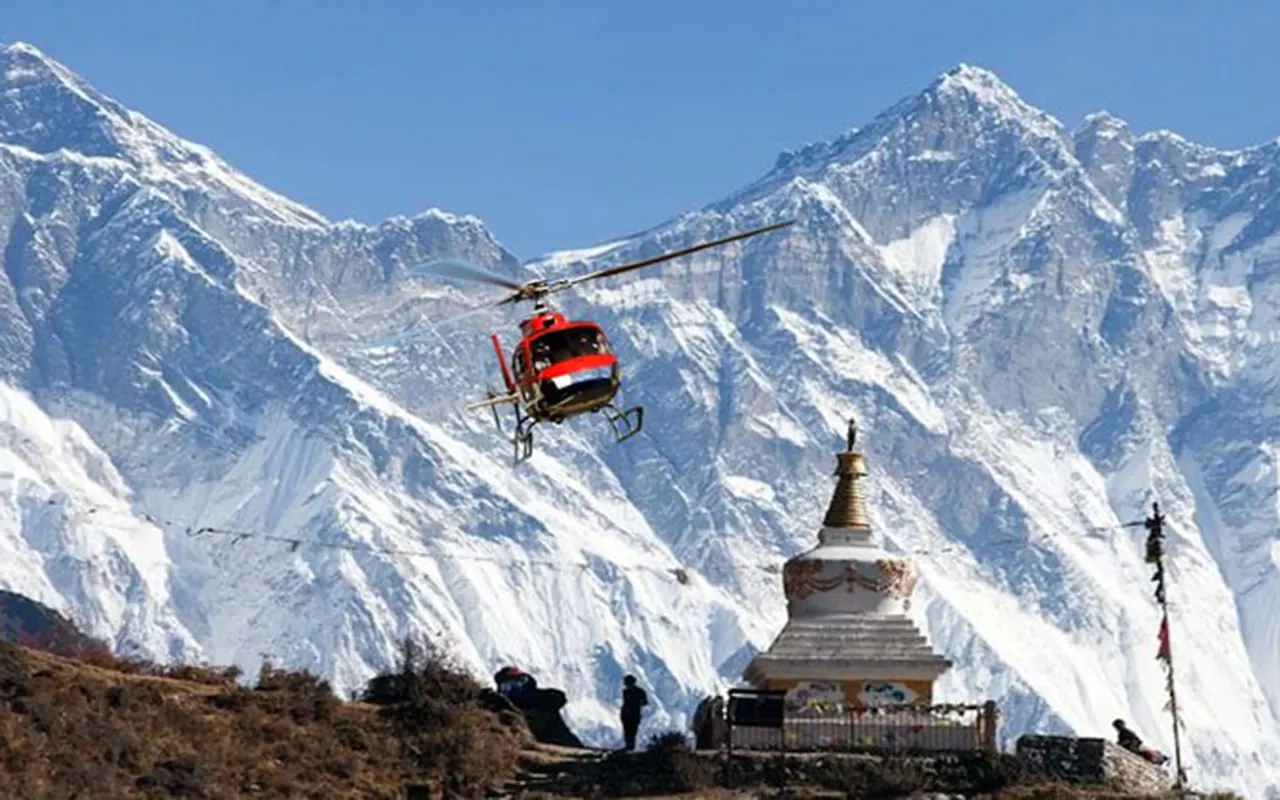
It is also a great option for those on a more budget-friendly trip or individuals who prefer to spend more time in the Everest region. The extra days of trekking allow the opportunity to enjoy the scenery of the mountains, the hospitality of the people and the peaceful atmosphere of Himalayan villages.
For some outdoor enthusiasts, the whole trail is more about a sense of achievement.
There is no single answer on which trek is better, as it depends on what is important to you.
The Everest Base Camp Trek with Helicopter Return is a good choice if you are looking for an easier trek to Everest Base Camp, a shorter physical strain trek and a great time to go on a helicopter ride. It is an adventurous hike and a fun and comfortable helicopter ride.
For those wanting to trek the full length of the Himalayas but wanting to spend more time in the Everest area and want to keep the costs down, the Standard Everest Base Camp Trek will still be a rewarding option.
Either trip will take you to Everest Base Camp, acquaint you with the warm welcome of the Sherpa people and offer amazing views of the world’s highest peaks. Both treks can be a memorable experience that will stick with you long after you come back with a little preparation, realistic expectations and enough time to acclimatise.