English
 Dutch
Dutch Japanese
 Hindi
Hindi Italian
 Spanish
 French
 German
 Chinese
 Korean
 Arabic
 Hebrew
 Russian
 Portuguese
 Danish
 Czech
Czech Polish
 Swedish

Need help?
 +977 9767994912
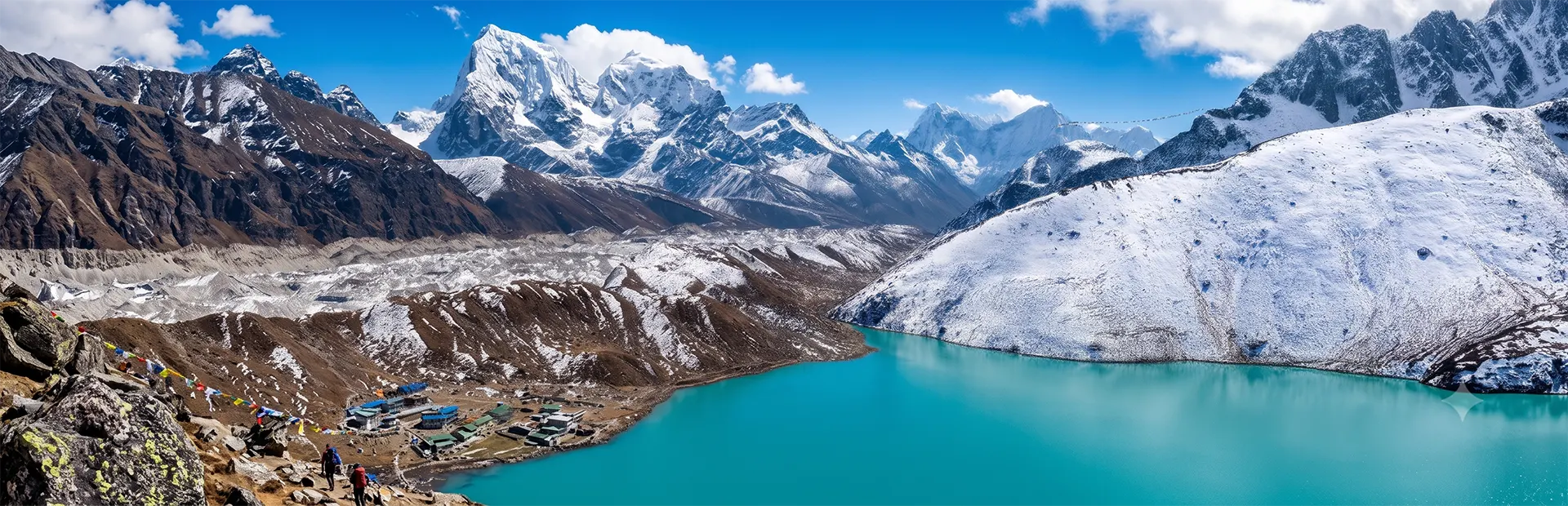
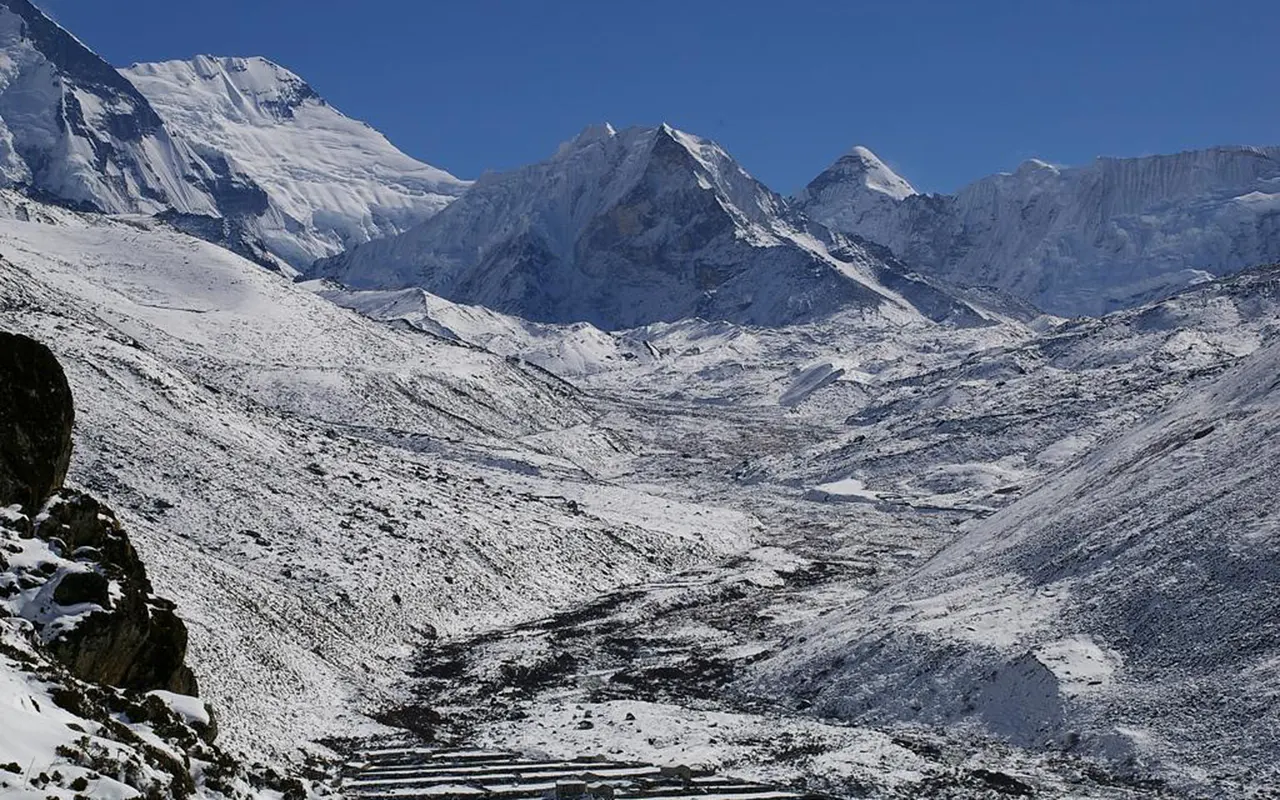
The Everest Three Passes Trek is one of the most complete trekking adventures in the Everest region of Nepal. It will take you off the beaten track of Everest Base Camp and across three high passes, linking beautiful Sherpa villages, tranquil valleys, turquoise lakes, ancient monasteries and spectacular Himalayan viewpoints. For those seeking a strenuous trek which exposes nearly all of the major sights of the Khumbu area, this is ideal.
This trek is not the typical Everest Base Camp trek, so it will take more time and require greater physical fitness and preparation. The prize is an adventure, a culture, a spectacular mountain view and an experience you will never forget again. It is essential to know the route, what the challenges are, what permits are needed, the best time to take it and how to prepare properly before going on this journey. This guide provides you with all of the necessary information before you begin the Everest Three Passes Trek.
Everest Three Passes Trek is a circuit trek in the Everest region of Nepal that crosses three of the major passes in the region. These are Kongma La Pass at 5,535 m (18,159 ft), Cho La Pass at 5,420 m (17,782 ft) and Renjo La Pass at 5,360 m (17,585 ft). Every pass has its own view of the Himalayas and its difficulties.
The trail also offers many wonderful places to visit, including Lukla, Namche Bazaar, Tengboche, Dingboche, Chhukung, Lobuche, Gorak Shep, Everest Base Camp, Kala Patthar, Gokyo Valley and the beautiful Gokyo Lakes. It is a circuit trail, so trekkers get new scenery virtually every day.
Many people are not sure whether they should go for the Everest Base Camp trek or the Everest Three Passes Trek. It will depend on your experience, fitness and time.
The Everest Base Camp trek predominantly concentrates on the most renowned Everest Base Camp and on Kala Patthar. Both of these are part of the Three Passes route, which also incorporates three steep mountain passes and the scenic Gokyo Valley. This makes for a much more interesting trek.
There are also some parts of the trail where the crowd is reduced due to many visitors only coming to Everest Base Camp. The Everest High Passes trek is more adventurous if you are looking for more exploration of the Khumbu region and has a wide range of possibilities.
The main highlight of the Everest Three Passes Trek is the crossing of all three passes that the trek is named after.
The Kongma La Pass is the most difficult of the three, measuring 5,535 m (18,159 ft). It is a steep climb, a rocky trail and no villages lie between Chhukung and Lobuche. In this portion, good weather is particularly essential.
Cho La Pass is 5420 m (17782 ft) high and links Lobuche with the Gokyo valley. In some seasons, the trekkers have to pass through snow, ice or a small glacier. The view from the top is amazing and the Gokyo Valley is one of the most beautiful along the route.
Renjo La Pass (5,360m/17,585ft) is considered to be the most beautiful pass. This is the highest point and from there, there are views of Mount Everest, Gokyo Lakes and several other Himalayan peaks. The next leg is at Namche Bazaar.
This Everest Three Passes Trek is considered a difficult trek. It is not suitable for people with poor physical fitness or for those with limited previous trekking experience, but it can be done by very careful, determined beginners.
Most days on the treks are around 6 to 8 hours and crossing passes is 8 to 10 hours. This trek is quite a challenge because of the distances covered, steep inclines and rock paths, as well as the high altitude.
Gorak Shep at 5,164 m (16,942 ft) is the highest sleeping point and Kongma La Pass at 5,535 (18,159 ft) is the highest walking point. Slow pace, drink plenty and good acclimatization are key to success on the Everest High Passes trek.
For a successful Everest Three Passes Trek, one of the most crucial elements is selecting the perfect season.
One of the best seasons is in the spring (March to May). They are a comfortable temperature, rhododendrons grow in the lower elevations and mountain views are good to excellent almost all of the time. The trails are busy but lively.
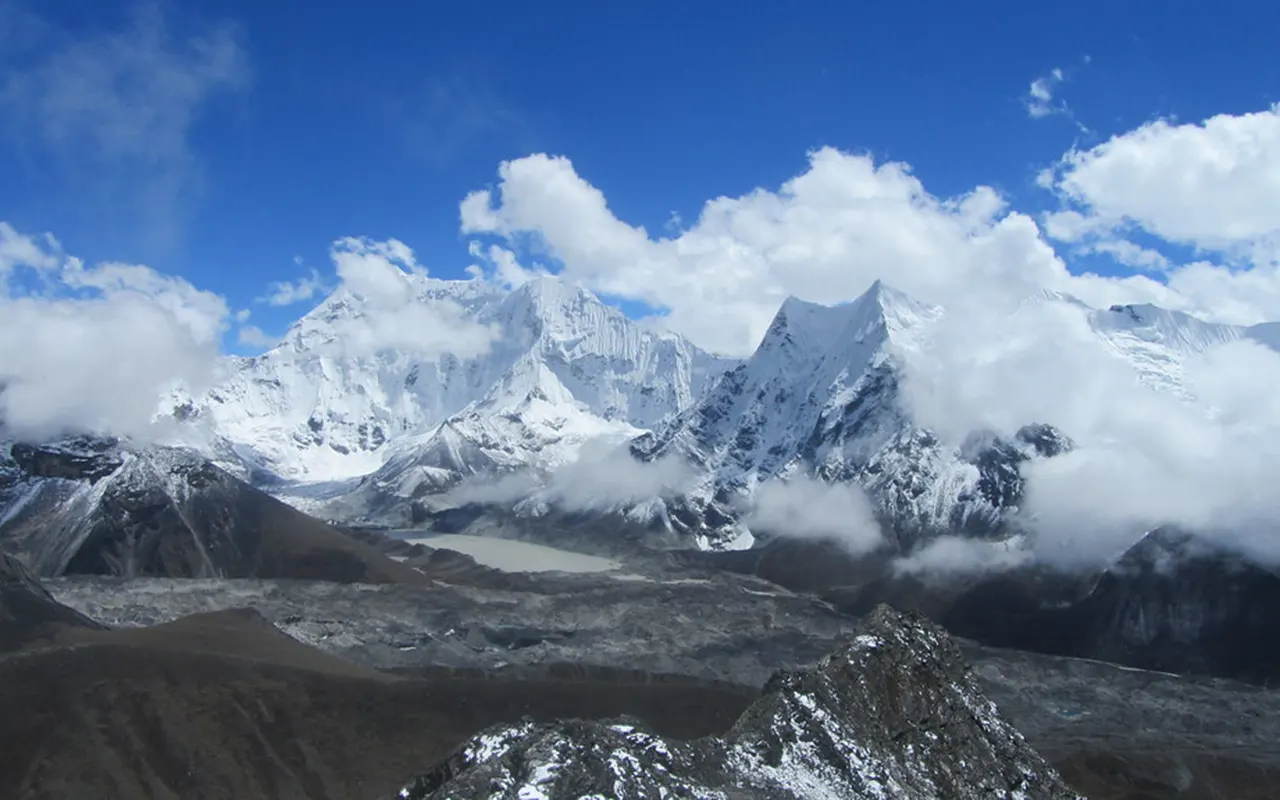
Another good period is in the autumn, between late September and early November. After the monsoon, the skies are usually very clear, offering outstanding visibility across the Himalayas. Stable weather also means that crossing the high passes is safer.
Winter (December to February) is possible but very cold. The passes can be closed for long periods of time during heavy snowfall. Tricky trails, clouds and rain during the monsoon months, June and early September, make it slightly less popular for most trekkers.
The typical length of the Everest Three Passes Trek is 18 to 21 days. It’s arrival in Kathmandu, flights to and from Lukla, acclimatisation days and plenty of time to cross all three passes safely.
Typically, acclimatisation days will be spent at the Bazaar at Namche (3440m / 11286 ft) and Dingboche (4410m / 14469 ft). These rest days are for acclimatization and can significantly help to minimize the risk of altitude sickness.
It is always better to add more days as flights to Lukla may be delayed due to changes in weather in the mountains.
One of the most difficult aspects of the Everest Three Passes Trek is its high elevation. Above 3,000m (9,843ft), the air is less dense and the amount of oxygen in it is decreasing. This impacts each of the trekkers differently, no matter the age or fitness.
Symptoms include headache, loss of appetite, dizziness, nausea, tiredness and trouble sleeping. Failure to recognize these signs may result in the development of more severe illnesses that will require immediate descent.
A steady itinerary, a smart plan of drinking water intake and the avoidance of alcohol, adequate food intake and adequate acclimatization time will significantly enhance the odds of being healthy throughout the trip. If symptoms are severe, the best course of action will be to move down to a lower elevation.
Before starting the Everest Three Passes Trek, every trekker needs to have the necessary permits.
Since the path is a part of the Sagarmatha National Park, a permit is necessary to enter the park. The trekkers should also obtain the Khumbu Pasang Lhamu Rural Municipality Permit, the replacement for TIMS in this region.
For treks with a registered company, these permits are generally arranged by the guide before the trek.
Accommodation is available in tea houses all the way throughout the Everest Three Passes Trek. Most rooms are basic but comfortable and typically come with two single beds, blankets and shared bathrooms. The facilities are increasingly basic and prices gradually rise with the increase in height, since these are carried by porters and yaks.
The variety of meals is quite wide. The most popular meal is dal bhat – it has a lot of energy. Common meal varieties include fried rice, noodles, soups, potatoes, pasta, pancakes, eggs and porridge.
It is imperative to have sufficient water intake. You should use purified water or buy boiled water to lessen the waste of plastic bottles and stay hydrated during the Everest high passes trek.
It is important to get ready for the trek. Training should be started at least two to three months prior to departure.
Running, bicycling, climbing stairs, going for walks, hiking with a backpack and swimming all help to promote cardiovascular fitness when done uphill. Leg and core strength training decreases fatigue on long trekking days.
The value of mental preparation is also great. The weather can change rapidly, the trails can be challenging and flexibility may be required. When things get tough, staying positive makes it enjoyable to go through.
The Everest Three Passes Trek requires the correct gear since conditions can change drastically from the lower villages to the high passes.
Wearing multiple layers enables you to adapt to varying circumstances during the day. It is highly recommended to bring in a warm down jacket, waterproof outer layer, thermal base layers, gloves, a wool hat, sunglasses, sun cream, trekking poles and broken-in hiking boots.
At higher altitudes, you’ll need a sleeping bag that is rated for cold weather and will offer additional comfort during cold nights. Other items that can be helpful include a headlamp, reusable water bottles, water purification tablets and a personal first aid kit.
Many people wonder if they’re up for the Everest Three Passes trek if they are beginners. It is not as much an experience as preparation that makes the difference.
With regular exercise, training before the trip, a slow pace and listening to their guide, the trek will be successful. But for a total beginner who has not done much fitness training and has no experience of trekking, the trip can be daunting.
For people who haven’t done trekking at high altitudes, they should first do a shorter trek in the Himalayas to get accustomed to the altitude before doing the trek for this one.
It is recommended to hire a guide for the Everest Three Passes trek. Trails are usually well marked, but the passes can be more difficult due to weather conditions, snow and changing trail conditions of the trails.
Your knowledgeable guide takes charge of logistics, will track your health, arrange your lodging and gives great local knowledge along the way. Most of your bags will be carried by your porter, which will also lessen the strain on your back and make for a more enjoyable journey.
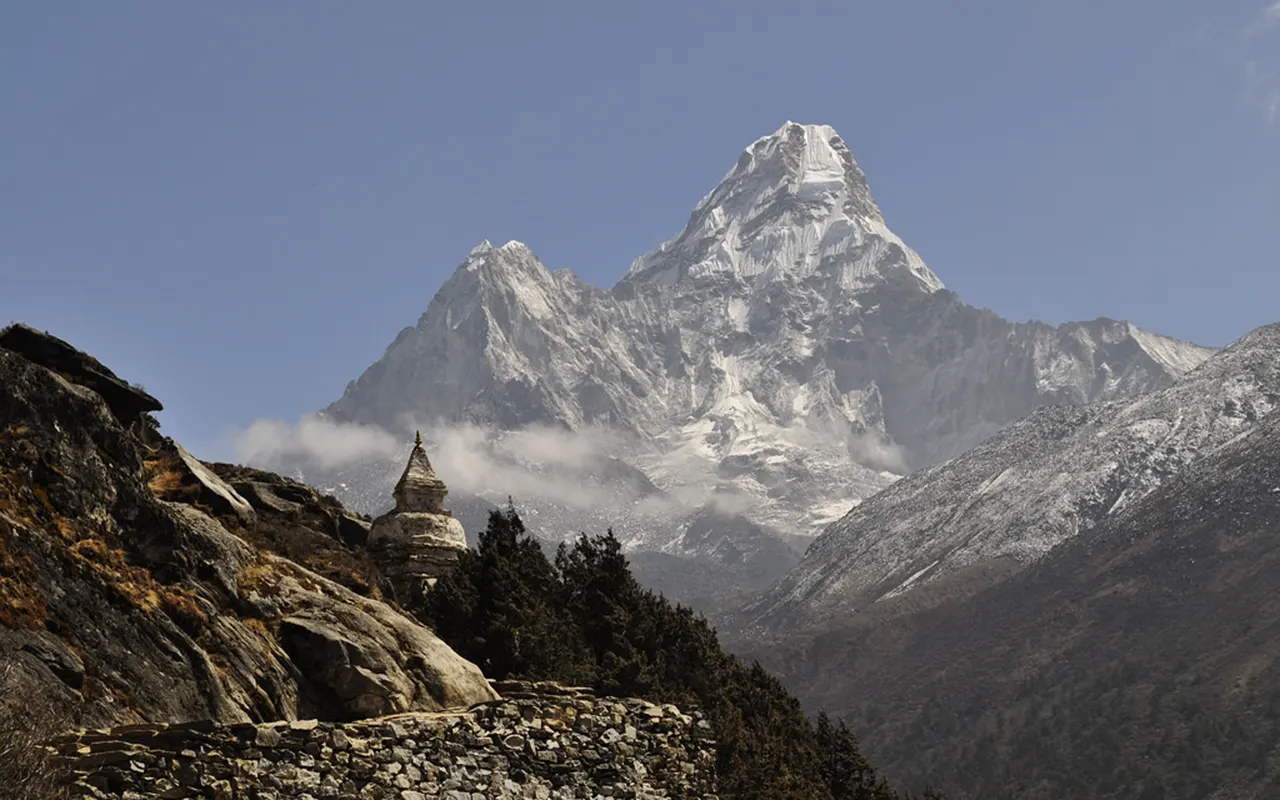
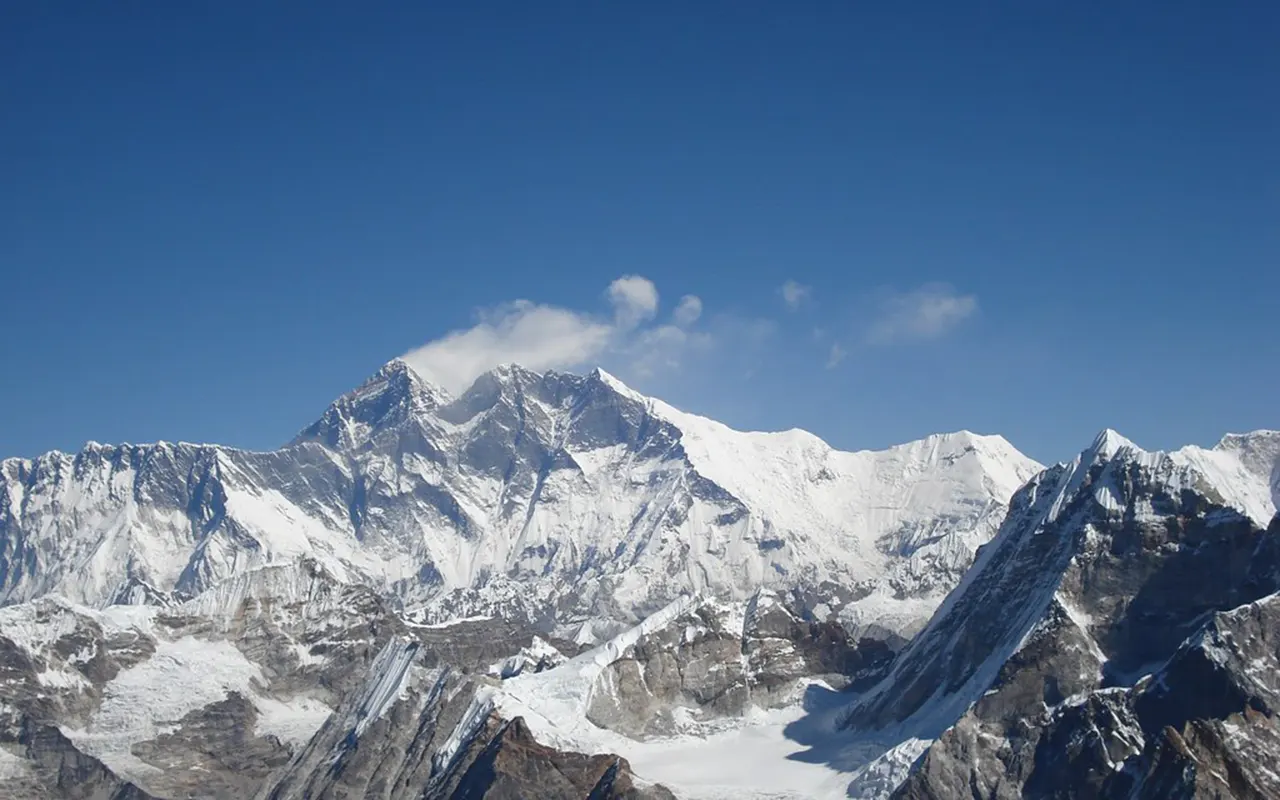
One of the best things about the Everest Three Passes Trek is the scenery. On the way, one can see the impressive mountains of Mount Everest, Lhotse, Nuptse, Makalu, Cho Oyu, Ama Dablam, Pumori, Thamserku, Cholatse, Taboche and many more.
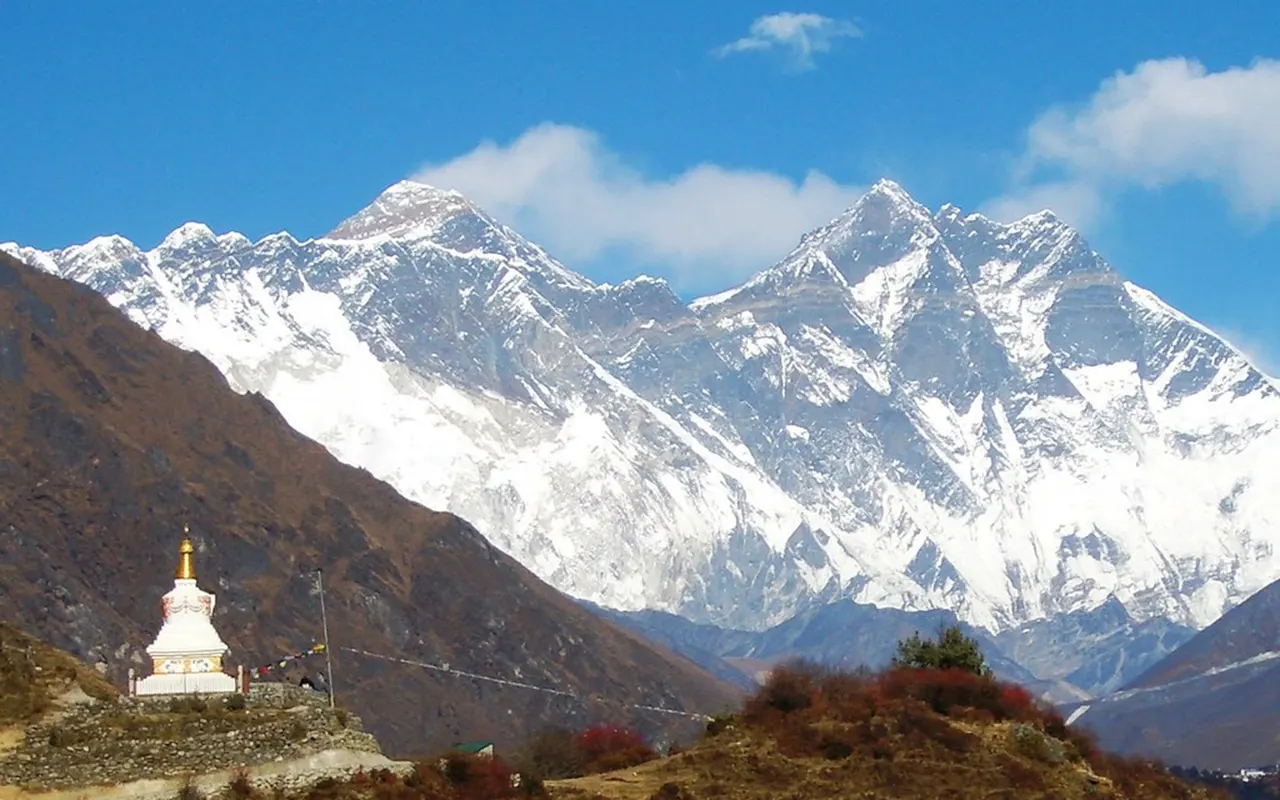
Kala Patthar (5545m/18192ft) is still one of the best places in the Everest to see the views. Another memorable view from the Gokyo Ri at 5,357 m (17,575 ft) overlooks the Gokyo Lakes and surrounding mountains.
The Everest Base Camp Three Passes Trek is one of the most rewarding trekking routes in Nepal thanks to these views.
The Everest Three Passes Trek is more than just a tough walk. It is a one-stop adventure through the heart of the Everest region featuring iconic sites, less-known valleys, rich Sherpa heritage, high mountain passes and memorable Himalayan views.
With adequate preparation, reasonable expectations, a well-planned acclimatization and suitable equipment, your chances of successfully reaching the summit are significantly enhanced. It’s not as easy as the classic Everest Base Camp trek, but its benefits are also higher. The Everest Three Passes Trek is a truly Himalayan adventure and one that will be with you for a lifetime.